
Vedobi | Ayurveda Blogs

"न हि ज्ञानेन सदृशं पवित्रमिह विद्यते।" (Bhagavad Gita, Chapter 4, Verse 38)

“There is nothing as purifying in this world as knowledge.”

पुनर्नवा क्या हैं? जानें, इसके फायदे और उपयोग

पुनर्नवा एक जड़ी-बूटी है। पुरातनकाल से आयुर्वेद में इसकी जड़, पत्तियों, फलों और बीजों का इस्तेमाल अनेक बीमारियों से बचने के लिए किया जा रहा है। आयुर्वेद में पुनर्नवा का मतलब शरीर को ऊर्जावान बनाना होता है।...

Read More...

All you need to know about Kuchla

Kuchla is an evergreen plant which is famous for its medicinal properties since ancient times. The seeds of this plant are most commonly used for therapeutic purposes. It has a powerful smell and a bitter taste...

Read More...

शैंक्रॉइड क्या है? जानें इसके कारण और लक्षण

शैंक्रॉइड एक प्रकार का यौन संचारित संक्रमण है, जिसके कारण जननांगों में दर्दनाक घाव या नासूर बनने लग जाते हैं। इसके कारण लिम्फ नोड्स और ग्रोइन क्षेत्र (जननांग और जांघ के बीच का हिस्सा) में भी सूजन आने लगती है व दर्द होने लग जाता है।...

Read More...

10 Health Benefits of Eating Tamarind (Meethi Imli)

Tamarind is a sweet and delicious fruit that has many health benefits. It comes from a shrub-like tree that has evergreen leaves and fruit and has a long, brown, hard shell on the outside. The pulp of the fruit is quite sticky and sweet...

Read More...

Benefits and Uses of Lajwanti

Lajwanti is a perennial plant. Its roots, leaves, and seeds have been used in Ayurveda since ancient times to cure many diseases. It is a very popular plant as it completely shrinks as soon as someone touches it...

Read More...
क्या आपका बच्चा जरूरत से ज़्यादा नॉन-वेज खा रहा है? एक्सपर्ट्स बता रहे हैं इसके 5 चौंकाने वाले नुकसान

Posted 31 January, 2026

क्या आपका बच्चा जरूरत से ज़्यादा नॉन-वेज खा रहा है? एक्सपर्ट्स बता रहे हैं इसके 5 चौंकाने वाले नुकसान

क्या आपका बच्चा जरूरत से ज़्यादा नॉन-वेज खा रहा है? आयुर्वेद के अनुसार जानिए इसके 5 बड़े नुकसान – विस्तार से आज की लाइफस्टाइल में बच्चों का झुकाव नॉन-वेज फूड की ओर तेज़ी से बढ़ा है। बर्गर, चिकन रोल, नगेट्स, फ्राई मछली जैसे फूड बच्चों को स्वाद में तो अच्छे लगते हैं, लेकिन आयुर्वेद स्वाद से पहले शरीर की सहनशक्ति और पाचन क्षमता को देखता है।

आयुर्वेद के अनुसार, बच्चा छोटा वयस्क नहीं होता। उसका शरीर, पाचन तंत्र और मानसिक विकास एक अलग चरण में होता है। इसी कारण बच्चों के लिए भोजन के नियम भी अलग बताए गए हैं।

बच्चों की पाचन अग्नि क्यों होती है कमजोर?

आयुर्वेद में पाचन शक्ति को अग्नि कहा गया है। बच्चों में यह अग्नि—नाज़ुक अस्थिर जल्दी बिगड़ने वाली होती है।


नॉन-वेज का प्रभाव

  • नॉन-वेज भोजन को आयुर्वेद में गुरु (भारी), स्निग्ध (चिकनाई युक्त) और मंद पचने वाला माना गया है।
  • जब बच्चा बार-बार या अधिक मात्रा में नॉन-वेज खाता है, तो—भोजन पूरी तरह नहीं पचता
  • शरीर में आम (toxins) बनता है
  • पेट भारी रहता है
इसके लक्षण
  • गैस और ब्लोटिंग
  • उल्टी या मितली
  • पेट दर्द
  • कब्ज या दस्त
  • भूख न लगना
  • लंबे समय तक ऐसा रहने पर बच्चा कमजोर और सुस्त दिखने लगता है।

दोष असंतुलन: खासकर पित्त क्यों बढ़ता है?

आयुर्वेद के अनुसार शरीर तीन दोषों से बना है— वात पित्त कफ

नॉन-वेज भोजन पित्त दोष को बढ़ाने वाला माना जाता है। बच्चों में पित्त बढ़ने के संकेत

  • जल्दी गुस्सा आना
  • चिड़चिड़ापन
  • अधिक पसीना
  • मुंह में छाले
  • त्वचा पर रैशेज
  • नाक से खून आना

बच्चों का स्वभाव सामान्यतः शांत और कोमल होना चाहिए, लेकिन पित्त बढ़ने से उनका व्यवहार असंतुलित हो सकता है।


मानसिक और भावनात्मक विकास पर असर

आयुर्वेद भोजन को तीन श्रेणियों में बांटता है—

  • सात्त्विक (शांत, शुद्ध)
  • राजसिक (उत्तेजक)
  • तामसिक (भारी, आलसी)
  • अधिक नॉन-वेज को राजसिक-तामसिक माना जाता है।
  • इसका बच्चों पर प्रभाव
  • ध्यान केंद्रित करने में कठिनाई
  • बेचैनी और अधीरता
  • ज़्यादा जिद
  • आक्रामक व्यवहार
  • नींद में बाधा

पढ़ाई और सीखने की उम्र में यह मानसिक अस्थिरता बच्चों की ग्रोथ को प्रभावित कर सकती है।


इम्यून सिस्टम क्यों कमजोर पड़ सकता है?

आयुर्वेद के अनुसार मजबूत इम्यूनिटी के लिए—

  • साफ पाचन
  • आम (toxins) का न बनना
  • संतुलित दोष
  • ज़रूरी हैं।
अधिक नॉन-वेज से क्या होता है?
  • शरीर में आम जमा होता है
  • लिवर और आंतों पर दबाव बढ़ता है
  • शरीर रोगों से लड़ने में कमजोर होता है
परिणाम
  • बार-बार सर्दी-जुकाम
  • गले में संक्रमण
  • एलर्जी
  • स्किन प्रॉब्लम्स

आयुर्वेद मानता है कि बच्चों को हल्का, ताज़ा और सुपाच्य भोजन ही स्वस्थ रखता है।


भविष्य की जीवनशैली पर पड़ने वाला गहरा असर

आयुर्वेद कहता है—“बाल्यावस्था में बनी आदतें जीवनभर साथ चलती हैं।”

बचपन में अत्यधिक नॉन-वेज खाने से आगे चलकर—

मोटापा

पाचन संबंधी रोग

हार्मोनल असंतुलन

लाइफस्टाइल डिज़ीज़ का खतरा बढ़ सकता है।

साथ ही, बच्चा स्वाद का आदी हो जाता है और साधारण, पौष्टिक भोजन से दूरी बनाने लगता है।


आयुर्वेद क्या सुझाव देता है?

नॉन-वेज पूरी तरह वर्जित नहीं , लेकिन सीमित मात्रा में रोज़ नहीं सही उम्र और मौसम में

भोजन में संतुलन—

  • दाल
  • सब्ज़ियां
  • चावल/रोटी
  • घी
  • दूध और फल
  • बच्चे की प्रकृति (वात-पित्त-कफ) के अनुसार डाइट
  • घर का बना, ताज़ा और गर्म भोजन
Read More
आपके बाल क्यों कमजोर हो रहे हैं? जानें आयुर्वेदिक सच्चाई

Posted 30 January, 2026

आपके बाल क्यों कमजोर हो रहे हैं? जानें आयुर्वेदिक सच्चाई

आज के समय में बालों का कमजोर होना, झड़ना, रूखापन और टूटना एक आम समस्या बन चुकी है। कम उम्र में ही बाल पतले हो जाना या जान न रहना केवल बाहरी समस्या नहीं है, बल्कि यह शरीर के अंदर चल रही गड़बड़ी का संकेत भी हो सकता है।

आइए जानते हैं आयुर्वेद के अनुसार बाल कमजोर क्यों होते हैं और इसका समाधान क्या है।


आयुर्वेद के अनुसार बालों की जड़ कहाँ है?

आयुर्वेद में बालों को अस्थि धातु (हड्डियों की धातु) का उप-उत्पाद माना गया है।

यदि शरीर की धातुएँ कमजोर होती हैं, पाचन ठीक नहीं रहता या दोष असंतुलित हो जाते हैं, तो सबसे पहले असर बालों पर दिखता है।

बाल कमजोर होने के मुख्य आयुर्वेदिक कारण


1.पाचन तंत्र की कमजोरी(Mand Agni)

जब भोजन ठीक से नहीं पचता, तो शरीर को पोषण नहीं मिल पाता। इससे बालों की जड़ों तक पोषण नहीं पहुँचता और बाल कमजोर होने लगते हैं।

संकेत:(Mand Agni)

बाल रूखे होना

बालों का धीरे-धीरे झड़ना

चमक खत्म होना

2.वात और पित्त दोष का असंतुलन

वात दोष बढ़ने से बाल रूखे, पतले और टूटने लगते हैं

पित्त दोष बढ़ने से बाल झड़ना, सफेद होना और जलन की समस्या होती है ज्यादा तनाव, देर रात जागना, तला-भुना खाना – पित्त को बढ़ाता है।

3.पोषण की कमी

आयुर्वेद के अनुसार शरीर में रस और रक्त धातु की कमजोरी से बालों की जड़ें कमजोर हो जाती हैं।

इसके कारण:

गलत खान-पान

बहुत ज्यादा डाइटिंग

लंबे समय तक कमजोरी

4.तनाव और नींद की कमी

मानसिक तनाव सीधे पित्त दोष को बढ़ाता है। नींद पूरी न होने से शरीर की मरम्मत प्रक्रिया प्रभावित होती है, जिससे बाल कमजोर हो जाते हैं।

5.केमिकल प्रोडक्ट्स और गलत तेल

केमिकल शैंपू

बार-बार हेयर कलर

गलत तेल का इस्तेमाल

ये सब बालों की प्राकृतिक शक्ति को खत्म कर देते हैं।


आयुर्वेदिक उपाय – बालों को मजबूत बनाने के लिए


तेल मालिश(Abhyanga)

हफ्ते में 2–3 बार आयुर्वेदिक तेल से सिर की मालिश करें। यह रक्तसंचार बढ़ाता है और जड़ों को पोषण देता है।

सही आहार अपनाएं

क्या खाएं:

  • हरी सब्ज़ियाँ
  • ताज़ा फल
  • घी
  • भीगे हुए बादाम
  • तिल और नारियल

क्या न खाएं:

  • बहुत ज्यादा तला-भुना
  • जंक फूड
  • अत्यधिक चाय-कॉफी
दिनचर्या सुधारें
  • समय पर सोना
  • सुबह जल्दी उठना
  • तनाव से दूरी
  • मोबाइल का कम उपयोग
बालों की सफाई प्राकृतिक रखें

हफ्ते में 2 बार से ज्यादा बाल न धोएँ और माइल्ड, आयुर्वेदिक क्लीनज़र का उपयोग करें।

आयुर्वेद की सीख

बालों की समस्या बाहर से नहीं, अंदर से शुरू होती है। जब शरीर संतुलन में आता है, तो बाल अपने आप मजबूत और स्वस्थ हो जाते हैं।

Read More
ठंड में त्वचा के रूखेपन को दूर करने के अनोखे आयुर्वेदिक रहस्य

Posted 08 January, 2026

ठंड में त्वचा के रूखेपन को दूर करने के अनोखे आयुर्वेदिक रहस्य

सर्दी का मौसम जहाँ सुकून और ताजगी लेकर आता है, वहीं त्वचा के लिए कई चुनौतियाँ भी खड़ी कर देता है। ठंडी हवा, कम नमी और गरम पानी का अधिक प्रयोग त्वचा की प्राकृतिक नमी जिसे हम नेचुरल स्किन सीरम को छीन लेता है, जिससे त्वचा रूखी, बेजान और कभी-कभी फटी हुई दिखाई देने लगती है।

आयुर्वेद इस समस्या को केवल बाहरी नहीं, बल्कि आंतरिक असंतुलन मानता है और जड़ से समाधान प्रस्तुत करता है। आयुर्वेद के अनुसार त्वचा का रूखापन क्यों बढ़ता है?

आयुर्वेद में ठंड के मौसम में वात दोष बढ़ जाता है। वात का स्वभाव ही रूखा, शुष्क और ठंडा होता है। जब वात असंतुलित होता है, तो उसका सीधा प्रभाव त्वचा पर पड़ता है—

  • नमी की कमी
  • खिंचाव
  • खुजली
  • फटना

इसलिए आयुर्वेद में स्निग्धता, ऊष्णता और पोषण पर विशेष बल दिया गया है।

1. अभ्यंग: आयुर्वेद का सबसे प्रभावी रहस्य

अभ्यंग यानी तेल से शरीर की मालिश। सर्दियों में प्रतिदिन या सप्ताह में कम से कम 3–4 बार गुनगुने तिल तेल या नारियल तेल से मालिश करें।

लाभ:
  • त्वचा की गहरी परतों तक पोषण
  • रूखापन और खिंचाव में कमी
  • त्वचा कोमल और चमकदार

2.घृत प्रयोग: त्वचा के लिए अमृत

शुद्ध देसी घी को आयुर्वेद में सर्वोत्तम स्निग्ध पदार्थ माना गया है। रात में सोने से पहले चेहरे, होंठ, हाथों और एड़ियों पर हल्का सा घी लगाएँ।

लाभ:
  • फटी त्वचा में शीघ्र लाभ
  • प्राकृतिक चमक
  • दीर्घकालिक नमी

3.एलोवेरा और गुलाब जल का लेप

एलोवेरा त्वचा को ठंडक देता है, जबकि गुलाब जल उसे संतुलित करता है। दोनों को मिलाकर चेहरे पर 15–20 मिनट लगाएँ।

लाभ:
  • त्वचा की नमी बनी रहती है
  • जलन व रूखापन कम होता है
  • त्वचा तरोताज़ा दिखती है

4.आहार द्वारा त्वचा का पोषण

आयुर्वेद कहता है— “जैसा आहार, वैसी त्वचा”। सर्दियों में रूखी त्वचा से बचने के लिए आहार में शामिल करें: घी तिल और तिल का लड्डू बादाम, अखरोट दूध व दूध से बने पदार्थ मौसमी फल और सब्ज़ियाँ

लाभ:
  • अंदरूनी स्निग्धता
  • त्वचा की प्राकृतिक कांति में वृद्धि

5.गुनगुना पानी और हर्बल काढ़ा

ठंड में प्यास कम लगती है, लेकिन पानी की कमी त्वचा को रूखा बना देती है। दिनभर गुनगुना पानी पिएँ और कभी-कभी सौंठ या तुलसी का काढ़ा लें।

लाभ:
  • शरीर का आंतरिक संतुलन
  • त्वचा की नमी सुरक्षित

6.रसायनयुक्त उत्पादों से दूरी

तेज केमिकल युक्त साबुन और फेसवॉश त्वचा की प्राकृतिक तैलीय परत को नष्ट कर देते हैं। आयुर्वेदिक या माइल्ड क्लेंजर का प्रयोग करें।

लाभ:
  • त्वचा की प्राकृतिक सुरक्षा बनी रहती है
  • रूखापन बढ़ने से बचाव.
Read More
आयुर्वेद के अनुसार कैसी होनी चाहिए सुबह की आदतें

Posted 02 January, 2026

आयुर्वेद के अनुसार कैसी होनी चाहिए सुबह की आदतें

(Ayurvedic Morning Routine / दिनचर्या)

आधुनिक जीवनशैली में तनाव, अनियमित खान-पान और देर रात तक जागने की आदत ने हमारे स्वास्थ्य को गहराई से प्रभावित किया है। ऐसे समय में आयुर्वेदिक जीवनशैली हमें प्रकृति के साथ तालमेल बिठाकर स्वस्थ जीवन जीने की दिशा दिखाती है। आयुर्वेद में सुबह की दिनचर्या को दिनचर्या (Dincharya) कहा गया है, जो शरीर, मन और आत्मा—तीनों को संतुलन में रखने का आधार है।

आयुर्वेद मानता है कि यदि सुबह की शुरुआत सही तरीके से की जाए, तो दिनभर शरीर ऊर्जावान, मन शांत और पाचन तंत्र मजबूत रहता है। इस लेख में हम विस्तार से जानेंगे कि आयुर्वेद के अनुसार सुबह की आदतें क्या होनी चाहिए और उनके क्या-क्या लाभ हैं।

ब्रह्म मुहूर्त में जागना — स्वस्थ जीवन की पहली कुंजी

आयुर्वेद के अनुसार ब्रह्म मुहूर्त सूर्योदय से लगभग 90 मिनट पहले का समय होता है। यह समय प्रकृति में सबसे अधिक शुद्ध और सात्त्विक माना गया है।

लाभ:
  • मन शांत और सकारात्मक रहता है
  • एकाग्रता और स्मरण शक्ति बढ़ती है
  • अवसाद, तनाव और आलस्य में कमी आती है

इस समय वातावरण में वात तत्व प्रमुख होता है, जो ध्यान, जप और प्राणायाम के लिए अत्यंत अनुकूल माना जाता है।

उठते ही गुनगुना पानी पीना

सुबह उठकर 1–2 गिलास गुनगुना पानी पीना आयुर्वेद का सरल लेकिन प्रभावी उपाय है।

लाभ:
  • पाचन अग्नि सक्रिय होती है
  • कब्ज और गैस की समस्या में राहत
  • शरीर से विषैले तत्व (आम) बाहर निकलते हैं

यदि संभव हो तो तांबे के बर्तन में रखा पानी पीना और भी लाभकारी माना जाता है।

प्राकृतिक शौच क्रिया (Natural Detox)

सुबह के समय मल-मूत्र त्याग की आदत डालना बहुत जरूरी है। आयुर्वेद जबरदस्ती शौच करने के पक्ष में नहीं है।

लाभ:
  • पेट साफ रहता है
  • सिरदर्द और भारीपन में कमी
  • त्वचा संबंधी समस्याएं कम होती हैं
  • नियमित समय पर शौच जाने से शरीर की प्राकृतिक लय बनी रहती है।

जिह्वा निरलेखन (Tongue Cleaning)

रातभर जीभ पर जमा मैल पाचन तंत्र में दोबारा जा सकता है। इसलिए सुबह जिह्वा निरलेखन आवश्यक है।

कैसे करें:
  • तांबे या स्टील के टंग क्लीनर से
  • खाली पेट, दांत साफ करने से पहले
लाभ:
  • पाचन सुधरता है
  • मुंह की दुर्गंध दूर होती है
  • शरीर में जमा आम (toxins) कम होता है

दंतधावन — आयुर्वेदिक तरीके से

आयुर्वेद में नीम, बबूल और खदिर जैसी औषधीय लकड़ियों से दांत साफ करने की परंपरा रही है। आजकल इनके आयुर्वेदिक दंतमंजन भी उपलब्ध हैं।

लाभ:
  • मसूड़े मजबूत होते हैं
  • दांतों की सड़न और पायरिया से बचाव
  • दांतों की सड़न और पायरिया से बचाव
  • मुंह की स्वच्छता बनी रहती है

नेत्र प्रक्षालन (आंखों की सफाई)

सुबह आंखों को ठंडे और साफ पानी से धोना आंखों के स्वास्थ्य के लिए बहुत जरूरी है।

लाभ:
  • आंखों की थकान दूर होती है
  • जलन और सूखापन कम होता है
  • दृष्टि शक्ति में सुधार
  • त्रिफला जल से आंखें धोना विशेष रूप से लाभकारी माना जाता है।

अभ्यंग (तेल मालिश) — शरीर को पोषण

अभ्यंग यानी तेल से पूरे शरीर की मालिश आयुर्वेदिक दिनचर्या का महत्वपूर्ण अंग है।

प्रकृति अनुसार तेल:
  • वात प्रकृति → तिल का तेल
  • पित्त प्रकृति → नारियल तेल
  • कफ प्रकृति → सरसों का तेल
लाभ:
  • नसों और मांसपेशियों को मजबूती
  • त्वचा में नमी और चमक
  • जोड़ों के दर्द और थकान में राहत

स्नान — शारीरिक और मानसिक शुद्धि

तेल मालिश के बाद गुनगुने पानी से स्नान करना चाहिए। सिर पर बहुत गर्म पानी डालने से बचना चाहिए।

लाभ:
  • शरीर और मन दोनों शुद्ध होते हैं
  • आलस्य और सुस्ती दूर होती है
  • ऊर्जा और स्फूर्ति बढ़ती है

योग, प्राणायाम और ध्यान

आयुर्वेद में योग को जीवन का अभिन्न अंग माना गया है। सुबह 20–30 मिनट योग और प्राणायाम करने से दिनभर ऊर्जा बनी रहती है।

लाभकारी अभ्यास:
  • सूर्य नमस्कार
  • अनुलोम-विलोम
  • कपालभाति
  • 5–10 मिनट ध्यान
  • ये अभ्यास वात-पित्त-कफ तीनों दोषों को संतुलित करने में सहायक होते हैं।

हल्का और सात्त्विक नाश्ता

सुबह का नाश्ता हल्का, ताजा और पचने में आसान होना चाहिए।

उपयुक्त विकल्प:
  • मौसमी फल
  • दलिया
  • मूंग दाल चिल्ला
  • गर्म दूध या हर्बल चाय
  • भारी, तला-भुना और बहुत मीठा नाश्ता करने से बचना चाहिए।
Read More
Shortness of Breath or Dyspnea: Symptoms, Causes, and Home Remedies

Posted 26 December, 2025

Shortness of Breath or Dyspnea: Symptoms, Causes, and Home Remedies

Shortness of breath, or dyspnea, is an uncomfortable condition that causes people to have difficulty breathing. Heart and lung disease can prevent air from reaching the lungs completely, which causes breathing problems. Problems with dyspnea vary from person to person, and the duration of the condition can last for about a few hours to several days and sometimes up to several weeks. This is usually a warning sign of a serious medical condition.

Types of Dyspnea (Shortness of Breath)

Sudden shortness of breath (acute dyspnea)-

This usually occurs for a few minutes or hours. It may be accompanied by other symptoms such as rash, cough, or fever.

Long-term dyspnea (chronic dyspnea)-

This can make a person feel out of breath even when doing simple things like walking or standing.

Signs and Symptoms of Shortness of Breath

A person with shortness of breath may experience the following signs and symptoms:

  • Gasping for air
  • Chest tightness
  • Unable to get oxygen supply
  • Hungry for air
  • Suffocation
  • Wheezing
  • Fever
  • Chills
  • Headache
  • Fatigue
  • Muscle and lung pain
  • Bloating
  • Stomach swelling
  • Swollen limbs (legs)

If you experience these symptoms, it is recommended that you contact your doctor immediately.

What causes shortness of breath?

Causes of acute dyspnea (sudden shortness of breath) include:

  • Asthma
  • Heart attack
  • Airway obstruction (blockage in the breathing passage)
  • Severe allergic reaction (anaphylaxis)
  • Pneumonia
  • COPD (Chronic Obstructive Pulmonary Disease)
  • Sudden loss of blood
  • Heart arrhythmias
  • Collapsed lung (Pneumothorax)
  • Blood clot in the pulmonary artery (pulmonary embolism)
  • Carbon monoxide poisoning

The following conditions can cause chronic dyspnea (long-lasting shortness of breath):

  • Asthma
  • Heart dysfunction
  • COPD (Chronic Obstructive Pulmonary Disease)
  • Interstitial lung disease
  • Accumulation of fluid around the lungs (pleural effusion)
  • Obesity
  • Deconditioning
  • Sarcoidosis (buildup of inflammatory cells in the body)
  • Heart disease
  • Cardiomyopathy (swelling of the heart muscle)
  • Pulmonary hypertension (high blood pressure in the lungs)
  • Pulmonary fibrosis (scarring of the lungs)

Other medical conditions can also affect normal breathing. These include anxiety disorders, tuberculosis, lung cancer, myasthenia gravis (a condition that causes muscle weakness), croup (usually in young children), pericarditis (inflammation of the tissue around the heart), epiglottitis, and kyphoscoliosis (chest wall deformity).


How is shortness of breath diagnosed?

Your doctor will ask you to share your symptoms and medical history. He or she may perform spirometry, a lung function test that helps measure the amount of air your lungs can blow in and out. It also tracks the speed at which your lungs perform this task. This test is usually done to diagnose COPD and asthma.


Some tests include
Pulse oximetry—

This test helps determine the amount of oxygen in the blood.

Blood test—

This test can help determine if you have medical conditions such as anemia and infection. It may also check for blood clots or fluid around the lungs.

CT scan or chest X-ray-

This is an imaging test done to determine if you have pneumonia, pulmonary embolism (blood clot in the lungs), or any other lung condition.

Electrocardiogram (ECG)—

A test done to check if a person is experiencing shortness of breath due to a heart attack by measuring the electrical signals from the heart.


Prevention for Shortness of Breath

The following measures are taken to reduce the chances of shortness of breath:

Quit Smoking-

Smoking is known to damage the lungs. It is also a risk factor for COPD and lung cancer. People with COPD can slow the progression of this chronic condition and prevent complications from getting worse.

Avoid exposure to pollutants—

avoid inhaling allergens such as pollens and environmental pollutants.

Avoid extreme temperature—

Exposure to extreme temperatures (such as very hot or very cold) can increase the risk of shortness of breath in people with chronic lung diseases.

Exercise regularly—

Regular exercise has a positive effect on lung functioning. People who are overweight and have an increased risk of developing chronic lung disease are advised to exercise regularly.

Avoid high altitudes—

avoid physical activity and give yourself time to adjust when traveling to high-altitude locations.

Take medications—

People with chronic lung and heart diseases should not skip medications, as it can increase the risk of shortness of breath.

Check your equipment regularly-

If you are on supplemental oxygen, check your breathing equipment regularly and make sure you have enough oxygen.


Treatment for Shortness of Breath

  • For people with shortness of breath due to asthma and COPD (Chronic Obstructive Pulmonary Disease), treatment involves taking medications like atrovent, albuterol, spiriva, and serevent. Bronchodilators are effective for shortness of breath.
  • For people who have shortness of breath due to low levels of hemoglobin in the blood (anemia), your doctor may prescribe dietary supplements to increase iron levels.
  • When shortness of breath is caused by a bacterial infection, antibiotics are prescribed to relieve it.
  • Doctors may ask people with chronic lung conditions, such as COPD, to do breathing exercises, such as apron breathing and exercises to strengthen the respiratory muscles.

If a serious medical condition is causing shortness of breath, your doctor can recommend appropriate treatment.

Home Remedies for Shortness of Breath

Coffee:

Coffee contains caffeine, which can reduce muscle tightness in the airways. This remedy has proven to be very effective in asthma. Black coffee can improve lung function and help you overcome the problem of shortness of breath.

Ginger:

Drinking fresh ginger tea will help you calm down. It can help reduce shortness of breath caused by respiratory infection. It has anti-inflammatory properties that can reduce inflammation in the lungs.

Pursed lips breathing:

This simple breathing technique can help you deal with shortness of breath. This can slow down your breathing rate, making each breath deeper, and provide you comfort. Here's how you can do it.

  • Step 1: Sit comfortably on the floor or a chair with your back straight.
  • Step 2: Inhale slowly through your nose for 4 to 5 seconds. Fill your abdomen with air.
  • Step 3: Press your lips together and exhale for 4 to 6 seconds.
  • Step 4: Repeat the same thing 10 to 20 times to get back to normal.
Steam:

If you have difficulty breathing during a cold, it may be due to a buildup of mucus in your lungs. Inhale the steam to loosen mucus and clear your airways.

Sit close to a fan:

Cool air can help relieve the problem of shortness of breath. If you feel unwell and have difficulty breathing, sit close to a fan. Feeling the power of the air as you breathe will help you calm down.


When to visit a doctor?

You should make an appointment with your doctor if your symptoms are accompanied by-

  • Swelling of the feet or ankles.
  • Difficulty breathing when lying down.
  • Fever, chills, and cough.
  • Wheezing.
  • Exacerbation of pre-existing difficulties.
Read More
Pulmonary Hypertension: Its Symptoms, Causes, Diagnosis and Treatment

Posted 15 December, 2025

Pulmonary Hypertension: Its Symptoms, Causes, Diagnosis and Treatment

Pulmonary hypertension refers to a rare condition that causes high blood pressure in the lungs. This condition occurs when the pulmonary arteries become narrowed, blocked, or destroyed. The damage slows blood flow through the lungs. As a result, the heart must work harder to pump blood through the lungs. This will cause the heart to become enlarged and weakened, leading to heart failure.

Symptoms

The symptoms of pulmonary hypertension can vary based on the severity; sometimes they go unnoticed for months or even years. As this condition develops, following symptoms may occur:

  • Difficulty breathing during physical activity.
  • Chest pain or discomfort
  • Dizziness
  • Swelling in ankles (edema)
  • Fatigue
  • Uneven heartbeat

Causes

Pulmonary hypertension can have various causes, including:

1.Pulmonary Arterial Hypertension(PAH)
  • Idiopathic PAH: Unknown cause, though it involves genetic factors in the blood vessels.
  • Heritable PAH: Changes in a gene down through families.
  • Associated PAH: Use of some medicines or drugs or getting infected from HIV infection, Liver disease, or congenital heart defects can lead to pulmonary arterial hypertension.
2.Left Heart Disease (LHD):

It is the most common form of pulmonary arterial hypertension; it causes left heart failure, mitral valve disease, or aortic valve disease.


3.Chronic Lung Disease (CLD):

It causes scarring of the lungs, sleep apnea, or interstitial lung disease and also affects those who have long-term exposure to higher altitudes.


4.Blood Clots: Chronic thromboembolic pulmonary hypertension

is caused by chronic blood clots or blockages in the pulmonary artery, leading to elevated blood pressure.

Apart from the above, Pulmonary hypertension is caused by other health conditions like sarcoidosis and metabolic disorders, including glycogen storage disease.


Diagnosis of Pulmonary Hypertension

As it can be challenging to diagnose early, its symptoms overlap with other conditions. Moreover, its symptoms are similar to those of other heart and lung conditions.

Some common diagnostic tests include:

1.Echocardiogram:

Sound waves are used to assess heart function in this test. An echocardiogram shows the pressure in the pulmonary arteries.

2.Chest X-ray:

It is a technique used to examine the structure of the heart and lungs. It is used to look for signs of enlargement or damage.

3.Blood test:

It can help identify the causes of pulmonary hypertension, such as autoimmune diseases or blood clotting disorders.

4.Right heart catheterization:

This is used after an echocardiogram shows signs of pulmonary hypertension. This procedure involves inserting a thin flexible tube called a catheter into a blood vessel to measure blood pressure in the main pulmonary arteries and the right ventricle.

Treatment and Management

While there is no cure for pulmonary hypertension, treatment is available to manage the symptoms and keep the disease from getting worse.

1.Medications

There are several medications that can treat symptoms and help you feel better:

  • Vasodilators: These drugs help open narrowed blood vessels and reduce pressure in the lungs.
  • Endothelin receptor antagonists (ERAs): These medicines block the effects of endothelin, a protein that constricts blood vessels.
  • Phosphodiesterase type 5 inhibitors (PDE5 inhibitors): This inhibitor is used to increase blood flow through the lungs. It is also used to treat erectile dysfunction.
  • Oxygen therapy: This treatment is suggested for those who live at higher altitudes; if their blood oxygen levels are low, they may be prescribed supplemental oxygen to ensure that the organs receive enough oxygen.
2.Surgery interventions

In severe cases, surgery may be necessary to help control the symptoms of pulmonary hypertension. Surgeries to treat pulmonary hypertension include:

  • Atrial septostomy: It is a procedure aimed at improving severe symptoms of pulmonary hypertension by creating a hole between the upper left and right chambers of the heart. This treatment is mainly used when other treatments have failed.
  • Lung Transplantation: This surgery is considered for patients with severe pulmonary hypertension. This treatment may be needed, especially for young people, to treat idiopathic pulmonary arterial hypertension.
3.Lifestyles and home remedies

Lifestyle changes play an important role in improving quality of life by incorporating these practices into daily routines.

  • Eat healthy: A proper diet plays a significant role in managing pulmonary hypertension. Eating a healthy, rich diet of whole grains, fruits, and vegetables can support overall health, improve heart function, and reduce complications.
  • Avoid high altitudes: It can make it harder to breathe and worsen symptoms because pulmonary hypertension directly affects the lungs and blood flow.
  • Weight management: Losing weight is beneficial in pulmonary hypertension, and a combination of a healthy diet and regular physical activity can alleviate some of the strain on the heart and lungs.
Read More
Rheumatic Disorder: Causes, Symptoms and Treatment

Posted 12 November, 2025

Rheumatic Disorder: Causes, Symptoms and Treatment

Rheumatic disorder is a condition causing chronic, often intermittent pain affecting the joints or connective tissue. It includes many types of arthritis, a term used for conditions that affect your joints. Sometimes it is also known as musculoskeletal disease.

Types of rheumatic disorders

Many rheumatic disorders of chronic, intermittent pain (including joint pain, neck pain, or back pain) have historically been caused by infectious diseases.

The most common types are:

Osteoarthritis-

It is also known as Degenerative Joint Disease (DJD) and is the most common form of arthritis disorder. It can be classified into two categories: primary osteoarthritis and secondary osteoarthritis. OA usually accompanies joint pain and loss of function; however, the disease is clinically very variable and can present merely as an asymptomatic incidental finding to a devastating, permanently disabling disorder.

Rheumatoid arthritis(RA)-

It is a chronic inflammatory disorder that can affect more than just your joints. This condition can damage a wide variety of body systems, including the skin, eyes, lungs, heart, and blood vessels.

Lupus:

It occurs when your body’s immune system attacks your own tissues and organs (autoimmune disease). It is difficult to diagnose because its signs and symptoms often mimic those of other ailments.

Gout:

It is a form of inflammatory arthritis disorder that causes pain and swelling in your joints. It happens when there’s a buildup of uric acid in your body.

Ankylosing spondylitis:

It causes inflammation in the joints and ligaments of the spine. It may also affect peripheral joints like the knees, ankles, and hips. Normally, the joints and ligaments in the spine help us move and bend.

Psoriatic arthritis:

It is a disease that causes red patches of skin topped with silvery scales. It affects any part of the body, including your fingertips and spine, and can range from relatively mild to severe.


Symptoms

Signs and symptoms of rheumatic disorder may include:

Swollen joints and Redness:

Joints become swollen and warm.

Fatigue:

Chronic pain and inflammation can lead to fatigue.

Fever:

Pain and inflammation can lead to fatigue and tiredness.

Stiffness and Joint Pain:

Joints become swollen, warm, and red to the touch.

Skin Rash:

Lupus and psoriatic arthritis may cause skin rashes or lesions.


Rheumatic disorder signs and symptoms may vary in severity and occur in episodes. Periods of increased disease activity, called flares, alternate with periods of relative remission—when the swelling and pain fade or disappear. Over time, rheumatic disorder can cause joints to deform and shift out of place.


Causes of Rheumatic Disorders

Rheumatoid disorder is an autoimmune disease that affects the musculoskeletal system. Normally, your immune system helps protect your body from infection and disease. It can also cause medical problems with your heart, lungs, nerves, eyes, and skin.

Doctors don't know what starts this process, although a genetic component appears likely. While your genes don't actually cause rheumatoid disorder, they can make you more likely to react to environmental factors—such as infection with certain viruses and bacteria — that may trigger the disease.

Factors that may increase your risk of rheumatic disorder include:

●Your sex:

Women are more likely than men to develop rheumatoid arthritis.

●Age:

Rheumatic disorder can occur at any age, but it most commonly begins in middle age.

●Genetics:

: It plays a significant role in the development of certain rheumatic conditions. For example, rheumatoid arthritis and ankylosing spondylitis have a genetic component.

●Smoke:

Cigarette smoking increases your risk of developing rheumatic disorder, particularly if you have a genetic predisposition for developing the disease. Smoking also appears to be associated with greater disease severity.

●Lifestyle factors:

Obesity and lack of physical activity can contribute to the development of certain rheumatic disorders, particularly gout.


Managing Rheumatic Disorder

Managing a rheumatoid disorder involves medicaltreatments and lifestyle adjustments that are aimed at reducing pain and inflammation, preventing joint damage, and improving overall well-being.

  • 1.Nonsteroidal anti-inflammatory drugs (NSAIDs) can relieve pain and reduce inflammation. Stronger NSAIDs are also available by prescription.
  • 2.Therapy can be taken from a therapist who can teach you exercises to help keep your joints flexible. For example, pick up an object using your forearms.
  • 3.Assistive devices can make it easier to avoid stressing your painful joints. For instance, a kitchen knife equipped with a hand grip helps protect your finger and wrist joints. Certain tools, such as buttonhooks, can make it easier to get dressed.
  • 4.Exercising regularly can help strengthen the muscles around your joints, and it can help reduce fatigue. Avoid exercising tender, injured, or severely inflamed joints.

When to see a doctor

Consult a doctor if you have pain in your joints that is accompanied by other symptoms such as-

  • Pain, stiffness or swelling
  • Fatigue
  • Generalized weakness
  • Skin rashes or lesions
  • Hair loss
Read More
Neck Pain: Causes & Treatment

Posted 26 September, 2025

Neck Pain: Causes & Treatment

Neck pain is a common complaint that can have a variety of causes. The neck, also known as the cervical spine, is a complex structure made up of bones, joints, muscles, and nerves that support your head and facilitate motion. Abnormalities, inflammation, or injury in any of these components can be the source of pain, and it can also be referred to as pain from other areas of the body.

Usually neck pain is not a serious condition and subsides within a few days with some physical exercises. But in certain cases, it may indicate serious injury or illness and require medical attention. If the pain continues for more than a week, is severe, or is accompanied by other symptoms, seek medical attention immediately.

Causes of Neck Pain

Poor posture

Sitting or standing in a hunched position for long periods of time can lead to muscle strain and tension in the neck. This can also happen from carrying a heavy bag or purse on one shoulder, which can cause the muscles on one side of the neck to become fatigued and sore.

Injury or trauma

Whiplash, an injury that occurs from sudden jerking or jolting of the head, is a common cause of neck pain. This type of injury can happen in a car accident, sports accident, or any other situation where the head is suddenly and forcefully moved.

Other causes of neck pain include degenerative conditions such as

  • Osteoarthritis
  • Herniated discs
  • Spinal stenosis

These conditions can cause pain, stiffness, and limited range of motion in the neck. Apart from the above, there are also some rare causes that cause neck pain, such as

  • Fractures
  • Infection
  • Tumor
  • Inflammation (probably in ankylosing spondylitis or meningitis)

Symptoms of Neck Pain

The symptoms of neck pain include

  • Pain that often worsens by holding the head in one place for long hours, examples include driving or sitting in front of a screen.
  • Muscle tightness and spasms
  • Difficulty in moving the head
  • Headache

Treatment for Neck Pain

Neck pain can have many causes, and it is important to identify the root cause in order to determine the best course of treatment. With proper treatment and management, most people with neck pain can find relief and improve their quality of life. It is also important to take steps to prevent neck pain, such as maintaining good posture, exercising regularly, and avoiding injury or trauma to the neck.

Treatment for neck pain will depend on the cause. In most cases, rest, ice or heat therapy, and over-the-counter pain medication can help to relieve symptoms. Stretching and gentle exercises can also help to improve flexibility and strength in the neck muscles.

If your neck pain is caused by poor posture, it is important to work on correcting your posture. This may include sitting and standing with your shoulders back and your head held high. You can also try doing exercises to strengthen the muscles in your neck and upper back to help improve your posture.

If your neck pain is caused by an injury or trauma, it is important to seek medical attention as soon as possible. For more chronic neck pain caused by degenerative conditions, treatment may include medication to reduce inflammation, corticosteroid injections, and even surgery in more severe cases.

Natural Treatment Methods for Neck Pain

  • Physical therapy
  • Chiropractic care
  • Acupuncture
  • Massage therapy
  • Transcutaneous Electrical Nerve Stimulation (TENS)

When to see a doctor?

It is important to note that if you are experiencing severe or persistent neck pain, it is important to see a doctor or a physical therapist to determine the cause and appropriate treatment.

Read More
Muscle Ache: Symptoms, Causes and Treatment

Posted 10 September, 2025

Muscle Ache: Symptoms, Causes and Treatment

Muscle aches, also known as myalgia, are sensations of soreness or stiffness, often accompanied by tightness felt around the area of the body that has muscles.

These aches can result from a range of factors, including a tough workout, a long day at work, or just getting older. It can be temporary or chronic, as well as localized or widespread throughout the body.

Symptoms of Muscle Ache

Muscle aches strike in several ways; symptoms may vary in intensity and duration:

  • Stiffness and weakness in the affected area.
  • pain or tenderness.
  • high blood pressure.
  • Signs of infection, such as redness and swelling.

Causes

Here are some common causes:

1.Exercise and physical activity:

The most common cause of muscle aches is overdoing physical activity. When you engage in exercise or strenuous activity that leads to stiff or sore muscles. As your muscle fibers repair, rebuild typically within 12 to 48 hours after the activity. This phenomenon is known as delayed-onset muscle soreness (DOMS).

2.Stress and tension:

Stress can lead to physical tension in the muscles, particularly in the neck, shoulders, and back. Anxiety and tension can also lead to clenching or tightening of muscles unconsciously.

3.Infections and illnesses:

Some infections and illnesses can cause muscle aches, often accompanied by fever and fatigue. The flu, common cold, and viral infections are known to cause muscle soreness as the body’s immune response causes inflammation in the muscles.

4.Nutritional deficit:

Vitamin D is particularly important in ensuring the muscles function correctly. It also helps with calcium absorption, and a deficiency can lead to hypocalcemia.

5.A lack of quality sleep:

can also make people feel sluggish and slow. It can affect people’s ability to think clearly and make it harder for them to carry out everyday tasks.

6.Dehydration:

Water is vital to keep the body functioning properly. Dehydration can lead to muscle cramps, spasms, and aches.


Treatment for muscle aches

Rest and Recovery:

The first step in treating muscle aches is allowing the muscle to heal. Moreover, give your muscles a rest and try to limit activities that may exacerbate the pain.

Cold therapy:

Applying ice to recent injuries can reduce inflammation and swelling.

Heat Therapy:

This therapy is beneficial for older injuries because it helps relax your muscles and encourages blood flow.

Massage:

A gentle massage can relieve tension and improve circulation, which can speed up the recovery process.

Over-the-counter pain Relief:

It can be used to treat minor pains and reduce inflammation.


How to Prevent Muscle Aches

1.Warm-up:

Before engaging in physical activity, make sure you warm up with light cardio and perform stretching exercises to increase flexibility, improve circulation, and reduce the risk of muscle strains and soreness.

2.Hydration and Nutrition:

Staying hydrated and eating a balanced diet rich in vitamins and minerals, particularly those that support muscle function like magnesium and potassium, can help prevent muscle cramps and soreness.

When to consult a doctor

Most of the time, muscle aches are nothing to worry about and can be treated at home. But there are certain situations:

  • .Muscle pain is severe
  • .Swelling around the affected area
  • .Sudden, sharp muscle pain after an injury.
  • .Chest pain or abnormal heartbeat.

Muscle aches can be managed at home with natural remedies. Most muscle soreness is temporary and can be treated with rest, hydration, massages, and stretching. Furthermore, understanding the causes can significantly lower the risk of muscle aches and maintain a healthier, more active lifestyle.

Read More
Coronary artery disease- Symptoms, Causes, Treatment & Prevention

Posted 16 August, 2025

Coronary artery disease- Symptoms, Causes, Treatment & Prevention

Coronary artery disease(CAD) is a common type of heart disease. It affects the main blood vessels that supply blood to the heart, called the coronary arteries. In CAD, there is reduced blood flow to the heart muscle. A buildup of fats, cholesterol and other substances in and on the artery walls, a condition called atherosclerosis, usually causes coronary artery disease. The buildup, called plaque, makes the arteries narrow.

Symptoms

Symptoms of coronary artery disease happen when the heart doesn't get enough oxygen-rich blood. Coronary artery disease symptoms may include:

  • Chest pain that may feel like pressure, tightness, squeezing or aching.
  • Pain or discomfort that spreads to the shoulder, arm, back, neck, jaw, teeth or sometimes the upper belly.
  • Cold sweats.
  • Fatigue.
  • Heartburn.
  • Nausea.
  • Shortness of breath.
  • Lightheadedness or sudden dizziness.

Chest pain is usually the most common symptom of heart attack. But for some people, such as women, the elderly and those with diabetes, symptoms may seem unrelated to a heart attack. For example, they may have nausea or a very brief pain in the neck or back. Some people having a heart attack don't notice symptoms.

Causes

Coronary artery disease is caused by the buildup of fats, cholesterol and other substances in and on the walls of the heart arteries. This condition is called atherosclerosis. The buildup is called plaque. Plaque can cause the arteries to narrow, blocking blood flow. This plaque can also burst, causing a blood clot.

Some causes of atherosclerosis and coronary artery disease are:

  • Diabetes or insulin resistance.
  • High blood pressure.
  • Lack of exercise.
  • Smoking or tobacco use.

Risk Factors

Coronary artery disease is common.The Coronary artery disease risk factors you can’t control include:

Getting older increases the risk of damaged and narrowed arteries.

Men are generally at greater risk of coronary artery disease. However, the risk for women increases after menopause.

A family history of heart disease makes you more likely to get coronary artery disease. This is especially true if a parent, brother, sister or child got heart disease at an early age. The risk is highest if your father or a brother had heart disease before age 55 or if your mother or a sister developed it before age 65.

  • Age
  • Birth sex
  • Family history

Treatment

Treatment for coronary artery disease may include:

  • Medicines.
  • Heart procedure or heart surgery.
  • Lifestyle changes such as not smoking, eating healthy and exercising more.
Medications

Many medicines are available to treat coronary artery disease, including:

  • Cholesterol medicine:

Your healthcare professional might recommend this type of medicine to lower "bad" LDL cholesterol and reduce plaque buildup in the arteries. Such medicines include statins, niacin, fibrates and bile acid sequestrants.

  • Aspirin:

Aspirin helps thin the blood and prevent blood clots. Daily low-dose aspirin therapy may be recommended for the primary prevention of heart attack or stroke in some people. Daily use of aspirin can have serious side effects, including bleeding in the stomach and intestines. Don't start taking a daily aspirin without talking to your healthcare team.

  • Beta blockers:

These medicines slow the heartbeat and lower blood pressure. If you've had a heart attack, beta blockers may reduce the risk of future heart attacks.

  • Calcium channel blockers:

One of these medicines may be suggested if you can't take beta blockers or beta blockers don't work for you. Calcium channel blockers can help reduce chest pain.

  • Angiotensin-converting enzyme (ACE) inhibitors and angiotensin 2 receptor blockers (ARBs):

These medicines lower blood pressure. They may help keep coronary artery disease from getting worse.

Surgeries or other procedures

Surgery may be done to fix a blocked artery and improve blood flow. Surgeries or procedures for coronary artery disease may include:

  • Coronary angioplasty and stent placement:

This treatment opens clogged blood vessels in the heart. A tiny balloon on a thin tube, called a catheter, is used to widen a clogged artery and improve blood flow. A small wire mesh tube called a stent may be placed to keep the artery open. Most stents are coated with medicine that helps keep the artery open. This treatment is also called percutaneous coronary intervention.

  • Coronary artery bypass graft (CABG) surgery:

This is a type of open-heart surgery. During CABG, a surgeon takes a vein or artery from somewhere else in the body. The surgeon uses the blood vessel to create a new path for blood to go around a blocked or narrowed heart artery. The surgery increases blood flow to the heart.

Lifestyle and home remedies

Making certain lifestyle changes can help keep the arteries healthy and can prevent or slow coronary artery disease. Try these heart-healthy tips:

  • Don't smoke or use tobacco:

Smoking is a major risk factor for coronary artery disease. Nicotine tightens blood vessels and forces the heart to work harder. Not smoking is one of the best ways to lower the risk of a heart attack. If you need help quitting, talk to your healthcare team.

  • Eat heart-healthy foods:

Choose plenty of fruits, vegetables and whole grains. Limit sugar, salt and saturated fats. Eating one or two servings of fish a week also may help keep the heart healthy.

  • Get regular exercise:

Exercise helps manage weight and control diabetes, cholesterol and blood pressure — all risk factors for coronary artery disease. Try to get 30 to 60 minutes of physical activity most days of the week. Ask your healthcare team what amount and type of exercise is best for you.

  • Keep a healthy weight:

Being overweight increases the risk of coronary artery disease. Losing even a small amount of weight can help reduce risk factors for coronary artery disease. Ask your healthcare team what the best weight is for you.

  • Control blood pressure:

Adults should get their blood pressure checked by a healthcare professional at least every two years. You may need to have checks more often if you have a history of high blood pressure. Ask your health professional what blood pressure goal is best for you.

  • Get your cholesterol checked:

Ask your healthcare team how often you need a cholesterol test. Lifestyle changes and medicines may be recommended to control cholesterol.

  • Check your blood sugar:

If you have diabetes, carefully managing your blood sugar can help reduce the risk of coronary artery disease.

  • Avoid or limit alcohol:

If you choose to drink alcohol, do so in moderation. For healthy adults, that means up to one drink a day for women and up to two drinks a day for men.

  • Get good sleep:

Poor sleep may increase the risk of heart disease and other chronic conditions. Adults should aim to get 7 to 9 hours of sleep daily.

  • Manage stress:

Find ways to help reduce emotional stress. Getting more exercise, practicing mindfulness and connecting with others in support groups are some ways to reduce stress.

Regular health checkups also are important. Some of the main risk factors for coronary artery disease — high cholesterol, high blood pressure and diabetes — have no symptoms in the early stages. Early detection and treatment can help you keep your heart healthy. Also ask about recommended vaccines, such as a yearly flu vaccine.

Prevention

The lifestyle habits used to treat coronary artery disease also can help prevent it. A healthy lifestyle can help keep the arteries strong and clear of blockages. To improve heart health, follow these tips:

  • Do not smoke or use tobacco.
  • Limit or do not drink alcohol.
  • Control blood pressure, cholesterol and diabetes.
  • Exercise and stay active.
  • Maintain a healthy weight.
  • Eat a low-fat, low-salt diet that's rich in fruits, vegetables and whole grains.
  • Reduce and manage stress.
  • Get 7 to 9 hours of sleep daily.
Read More
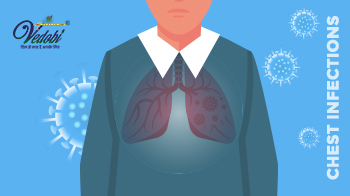
Chest infections: Causes, Symptoms, and Treatment

Posted 10 August, 2025

Chest infections: Causes, Symptoms, and Treatment

A chest infection is an infection that affects the lower part of the respiratory tract, including the lungs, bronchi (the tubes that lead to the lungs), and alveoli (small air sacs in the lungs where oxygen is exchanged). Chest infections are caused by bacteria, viruses, or other pathogens that can lead to inflammation and infection of the airways or lung tissue, causing cough, shortness of breath, and fever.

Types of chest infections

There are two types of chest infections: bronchitis and pneumonia. Both are common, but they differ in symptoms.

1.Bronchitis

It is the inflammation of the main airways that carry air to the lungs. It is caused by bacterial or viral infections and lasts for a few weeks.

Symptoms of Bronchitis:
  • Sore throat
  • Headache
  • Wheezing or shortness of breath
  • Mild fever
  • Fatigue
2.Pneumonia

It is an inflammation of the lung tissue that affects the tiny air sacs in the lungs where oxygen and carbon dioxide are exchanged. It can be caused by a variety of pathogens, bacteria, fungi, viruses, and parasites. Mostly, it affected those with weakened immune systems.

Symptoms of Pneumonia:
  • Pain while coughing and sneezing
  • High fever
  • Rapid heartbeat and shallow breathing.
  • Fatigue
  • Dizziness

Causes of chest infections

There are several factors, including bacteria and viruses, which are the most common causes. Here are the key causes:

1.Bacterial infections

This infection can be typically more severe than viral infections. These include:

  • Streptococcus pneumoniae is the leading cause of bacterial pneumonia.
  • Hemophilus influenzae is a bacteria that causes respiratory infections and is common in individuals with chronic lung diseases.
  • Mycoplasma pneumoniae is a bacteria that causes atypical pneumonia.
  • Legionella pneumophila is a severe type of bacteria that is acquired through the inhalation of contaminated water droplets.
2.Viral infections

It is the leading cause of infections, especially during the winter. Some common viruses are:

  • Influenza virus is a contagious viral infection that affects the respiratory system and can lead to pneumonia or bronchitis.
  • COVID-19 is also a contagious infection and can lead to pneumonia.

Symptoms

Chest infections can manifest in various ways. The most common symptoms are:

  • Persistent cough
  • Difficulty in breathing
  • Chest pain or wheezing.
  • Fever and chills
  • Fatigue
  • Weakness

Diagnosis

Diagnosing chest infections involves a combination of medical history and diagnostic tests. Here are the following methods:

  • Medical history and physical analysis The doctors will ask about the patient’s symptoms, medical history, and underlying conditions Moreover, they perform physical evaluations, including listening to the patient’s breathing to check for any sign of infection.
  • Chest X-rays or CT scans may help visually identify any abnormalities in the lungs.
  • Blood tests are taken because they provide a complete blood count (CBC) and identify the presence of an infection.

Treatment

The treatment mainly depends on the underlying cause of the infection. Here are some common treatment approaches:

  • Antibiotics are often prescribed by doctors to help eradicate the infection and prevent resistance.
  • Antiviral medications: Doctors may prescribe these, especially for infections like viral fever, COVID-19, and influenza. These medicines help reduce the duration and severity of viral chest infections
  • Cough medicines and pain relievers like cough suppressants and expectorants may help manage the persistent cough caused by chest infection.
  • Proper hydration and adequate rest are essential for the body’s natural healing.

How to prevent chest infection

  • Strengthen your immune system: Eating a balanced, nutrient-rich diet, exercising regularly, and getting adequate sleep support immune function and reduce the risk of infection.
  • Maintain proper hygiene: Regularly washing your hands prevents the spread of viruses and bacteria.
  • Get vaccinated: Vaccines help reduce the risk of viral and bacterial infections.

When should I see a doctor?

You should consult a doctor if you experience:

  • High fever
  • Chest pain or discomfort
  • High fever
  • Coughing up thick, discoloured mucus

Sources:

1. Healthline: What is chest infection?, Types

Link: https://www.healthline.com/health/chest-infections

2. Carehospitals: Symptoms, Causes, treatment, and prevention

Link: https://www.carehospitals.com/symptoms/chest-infection

Read More
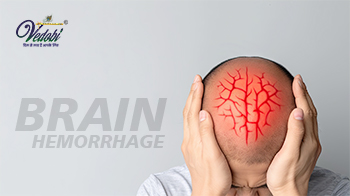
What is Brain Hemorrhage, its Symptoms & Causes and treatment

Posted 08 May, 2025

What is Brain Hemorrhage, its Symptoms & Causes and treatment

A brain bleed, also known as a brain hemorrhage, refers to bleeding between the brain tissue and the skull or inside the brain tissue. This is a life-threatening condition that requires immediate medical attention. Brain bleeds can limit the oxygen supplied to the brain, causing headaches, nausea, vomiting, tingling in the extremities, or facial paralysis.


Types of Brain Bleeds

1.Bleeding within the skull but outside the brain tissue

The brain consists of three membrane layers called meninges. The meninges cover and shield the brain from injury. These layers are located between the skull bone and the brain tissue itself. A brain hemorrhage can happen anywhere within these three membranes: the dura mater, arachnoid, and pia mater.

  • Epidural hemorrhage: This type of bleed occurs between the skull bone and the dura mater (outermost) membrane level.
  • Subdural hemorrhage: The brain bleed takes place between the dura mater (outermost) and the arachnoid membrane.
  • Subarachnoid hemorrhage: This type of brain bleed occurs between the arachnoid membrane and the pia mater.
2.Bleeding inside the brain tissue

Two types of brain bleeds can occur inside the actual brain tissue. This is referred to as a cerebral hemorrhage or a hemorrhagic stroke.

  • Intracerebral hemorrhage: Bleeding that occurs in the cerebellum of the brain (including the brainstem).
  • Intraventricular hemorrhage: Bleeds that originate in the brain cavities where cerebrospinal fluid is produced.

Signs & Symptoms of Brain Bleed

The symptoms of a brain bleed can vary. It depends on which part of the brain is affected.


Common brain bleed symptoms include:
  • Weakness, numbness, tingling, and facial paralysis. Often these symptoms affect the arm and leg on one side of the body.
  • Sudden, severe headaches are known as “thunderclap” headaches. These headaches occur with subarachnoid hemorrhages. They are extremely painful and abrupt, with intense pain lasting from one to five minutes. This type of headache is not always dangerous; however, it could indicate a more serious, underlying condition involving a brain hemorrhage.
  • Nausea and vomiting
  • Confusion
  • Feeling lightheaded and dizzy
  • Seizures
  • Difficulty swallowing
  • Impaired vision or loss of vision, sensitivity to light
  • Difficulty with balance and coordination
  • Stiff neck
  • Slurred or unusual speech
  • Feeling lethargic and sleepy
  • Coma

What Causes a Brain Hemorrhage?

Though a brain hemorrhage can come on suddenly, there are underlying factors that can contribute. The most common causes of a brain hemorrhage are:

  • Head trauma: Injuries to the head are the most common reason for a brain hemorrhage to occur in people younger than 50 years old.
  • High blood pressure: High blood pressure, if left untreated, can weaken the blood vessel walls and lead to a brain hemorrhage.
  • Aneurysm: An aneurysm occurs when a blood vessel wall weakens and swells. A burst aneurysm can cause bleeding in the brain and lead to stroke.
  • Blood vessel abnormalities: An arteriovenous malformation (AVM) causes blood vessels in and around the brain to become weak. It may be present at birth but is only discoverable when symptoms appear.
  • Amyloid angiopathy: This blood irregularity usually occurs among older adults with high blood pressure. It may produce small bleeds that go unnoticed until finally causing a larger bleed.
  • Blood or bleeding disorders: People who have diseases such as hemophilia and sickle cell anemia are more likely to experience brain bleeds. Their conditions contribute to lower levels of blood platelets and clotting. Additionally, patients on blood thinners have an increased risk of brain bleeds.
  • Liver disease: People with liver conditions have an increased risk of bleeding issues
  • Brain tumors: Those who have had brain tumors are at a higher risk of developing a brain hemorrhage.

Who is at Risk for Brain hemorrhages?

A brain bleed can happen to anyone, no matter how young or old you are. But some of the reasons that it’s likely to happen are:

  • You have high blood pressure.
  • You have a substance use disorder.
  • You use tobacco.
  • You take blood thinners.
  • You have a brain tumor.
  • You injure your head.

Treatment

Surgery may be necessary to treat a severe brain hemorrhage. Surgeons may operate to relieve some of the pressure on the brain.

If a burst cerebral aneurysm causes a hemorrhage, a surgeon may remove part of the skull and clip the artery. This procedure is called a craniotomy.

Other treatment options include anti-anxiety drugs, anti-epileptic drugs, and other medications to control symptoms, such as seizures and severe headaches.

People can recover from a brain hemorrhage, although it is vital that they receive the correct treatment as soon as possible. Rehabilitation can help an individual adjust to life after a brain hemorrhage.

Rehabilitation treatment includes:
  • physical therapy
  • speech therapy
  • occupational therapy
  • lifestyle changes to limit the risk of another hemorrhage

Can Brain Hemorrhages Be Prevented?

Most brain hemorrhages are linked to specific risk factors, so there are steps you can take right now to protect yourself, such as:

  • Treat high blood pressure.
  • Quit tobacco.
  • Stop using drugs. Cocaine, for example, can increase the risk of bleeding in your brain.
  • Keep an eye on cholesterol. Cholesterol can build up in your blood vessels and damage them. Men between the ages of 45 and 65 years and women between the ages of 55 and 65 years should get a cholesterol test every 1-2 years.
  • If you take blood-thinning drugs, follow up regularly with your doctor to make sure your blood levels are in the correct range.
Sources:
Read More
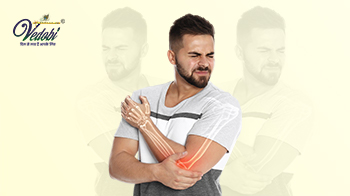
Bone pain—causes, symptoms and treatment

Posted 07 May, 2025

Bone pain—causes, symptoms and treatment

Bone pain is extreme tenderness, aching, or discomfort in one or more bones. It differs from muscle and joint pain because it is typically deep, localized, and can be quite sharp or present whether you’re moving or not.

It is a common complaint, especially among those in their forties and fifties. The body changes dramatically as one gets older. As people become less active, the muscle size and bone density tend to diminish.


Causes of Bone Pain

Several factors lead to bone pain. Some of the most common causes include:

1.Injury:

It is a common cause of bone pain. Typically, this pain arises when a person goes through some form of trauma, such as an accident or fall.

2.Mineral deficiency:

To stay strong, your bones require a variety of minerals and vitamins, including calcium and vitamin D. A deficiency in calcium and vitamin D often leads to osteoporosis, the most common type of bone disease.

3.Metastatic cancer:

It is cancer that started somewhere else in the body but spread to other body parts. Cancers of the breast, lung, thyroid, kidney, and prostate are among the cancers that commonly spread to the bones.

4.Infection:

If an infection originates in or spreads to the bones, it can cause a serious condition known as osteomyelitis. This infection of the bone can kill bone cells and cause bone pain.

5.Leukemia:

It is a cancer of the bone marrow. Bone marrow is found in most bones and is responsible for the production of bone cells. People with leukemia often experience bone pain, especially in the legs.


Symptoms of bone pain

  • After an injury, there may be swelling, apparent cracks or deformities, and a snap or grinding noise.
  • Muscle and tissue discomfort, sleep difficulties, cramping, exhaustion, and weakness.
  • Disrupted blood supply to the bones.
  • Redness and fever.
  • Back pain, stooped posture, and loss of height over time.
  • Fatigue, pale skin, and shortness of breath.

Treatment for bone pain

  • Pain relievers are among the most commonly prescribed medications to reduce bone pain, but they don’t cure the underlying condition. Over-the-counter pain-relieving treatments can be used.
  • Nutritional Supplements: People who have osteoporosis need to restore their calcium and vitamin D levels.

Surgery may also be required to reset broken bones and remove tumors caused by cancer. Reconstructive surgery may be used in severe cases where joints can be replaced or substituted.


How can bone pain be prevented?

Maintaining strong, healthy bones makes it easier to avoid bone pain. To maintain bone health, remember to:

  • Maintain a healthy exercise plan.
  • Get enough calcium and vitamin D.
  • Avoid smoking.

When to consult the doctor for bone pain

Bone discomfort is frequently caused by serious conditions. Bones can heal improperly and restrict movement if not treated properly.See a doctor if the bone pain is accompanied by-

  • weight loss
  • A loss of appetite
  • general exhaustion
  • Injury-related bone pain.

Fractures caused by direct trauma to the bone.

Read More
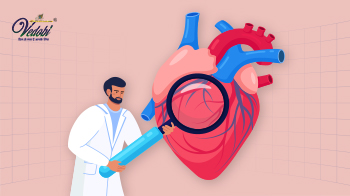
Myocarditis: Symptoms, Causes, Diagnosis, and Treatment

Posted 19 March, 2025

Myocarditis: Symptoms, Causes, Diagnosis, and Treatment

Myocarditis is an inflammation of the heart tissue, which is myocardium (the middle layer of the heart wall). Myocarditis affects the heart's electrical system and muscle cells, leading to abnormal heart rhythms and problems with the heart's pumping function. In severe cases, the heart becomes too weak to pump enough blood to the body, which can cause a stroke or heart attack.

Although this disease is rare, the condition can affect people quickly over time. In some cases, no symptoms are visible while others have severe symptoms. The degree of the condition differs, and those with severity can even cause death.

Types of Myocarditis

There are several types of myocarditis. These are mentioned below:

Acute myocarditis

Acute myocarditis is caused by a viral infection and is marked by sudden onset. These symptoms generally don't last long and can resolve quickly.

Chronic myocarditis

Chronic myocarditis occurs when treatment for the disease takes longer than usual or when symptoms relapse after treatment. This can occur due to autoimmune activity, in which the immune system attacks healthy cells and tissues of the body.

Lymphocytic myocarditis

Lymphocytic myocarditis is a rare form of myocarditis that needs intense medical care. This occurs when white blood cells (lymphocytes) attack and cause inflammation of the heart muscle.


Symptoms of Myocarditis

In the early stages of myocarditis, a person may have few or no symptoms. Common symptoms can include

  • Chest pain.
  • Fatigue.
  • Fast or abnormal heart rhythm (arrhythmia).
  • Diarrhea.
  • Headache
  • Fever.
  • Muscle ache.
  • Sore throat
  • Shortness of breath.
  • Leg swelling.

Causes of Myocarditis

Myocarditis can be caused by infections, drugs and chemicals, or a condition that causes inflammation throughout the body. Possible causes of myocarditis are

Viruses:

Many viruses are associated with myocarditis, including those that can cause the common cold (adenovirus), COVID-19, hepatitis B and C, parvovirus, and the herpes simplex virus.

Gastrointestinal infections (echovirus), mononucleosis (Epstein-Barr virus), and rubella can also cause myocarditis. Myocarditis can also be caused by HIV, a virus that causes AIDS.

Bacteria:

Bacteria that can cause myocarditis include streptococcus, staphylococcus, and bacteria that cause Lyme and diphtheria disease.

Parasite:

These include trypanosoma cruzi and toxoplasma. Some parasites are carried by insects and can cause a disease called Chagas disease.

Fungi:

Fungal infections can cause myocarditis, especially in people with weakened immune systems. Those associated with myocarditis include fungal infections such as candida, aspergillus, and histoplasma (commonly found in bird droppings).

Some medications or illegal drugs:

These include drugs used to treat cancer, like antibiotics such as penicillins and sulfonamides, some anti-seizure medications, and cocaine.

Chemicals or radiation:

Exposure to carbon monoxide and radiation can sometimes cause inflammation of the heart muscle.

Other inflammatory diseases:

Conditions that can cause myocarditis include lupus, giant cell arteritis, Wegener's granulomatosis, and Takayasu's arteritis.


Prevention for Myocarditis

Avoid close contact with sick people:

Stay away from people with flu symptoms or other respiratory diseases until they recover. If you have symptoms of a viral infection, try not to come in contact with other people.

Wash your hands regularly:

Frequent hand washing is one of the best ways to avoid getting sick and spreading disease.

Avoid risky methods:

To reduce the risk of HIV-related myocardial infection, you should practice safe sex and not use illegal drugs.

Get vaccinated:

Stay up to date on recommended vaccines, including those that protect against COVID-19, influenza, and rubella—diseases that can cause myocarditis.


Diagnosis of Myocarditis

Your doctor will take a detailed medical history and review your symptoms. To confirm the diagnosis, you may have some or all of the following tests:

  • Electrocardiogram (ECG).
  • Chest X-ray.
  • Magnetic resonance imaging (MRI).
  • Blood test.
  • Echocardiogram.
  • Cardiac catheterization.

Once a detailed diagnosis is made, your doctor will determine the best treatment option for you.


Treatment for Myocarditis

Myocarditis cannot be cured. However, doctors can treat the underlying cause of the myocarditis if identified and may prescribe the following medications based on heart symptoms, type of myocarditis, and severity. Treatment includes

Angiotensin-converting enzyme (ACE) inhibitors/angiotensin receptor blockers (ARBs):

These are specified in lowering blood pressure and help in remodeling of the heart muscle after myocarditis.

Beta blockers:

It corrects arrhythmias and helps in remodeling of the heart muscle.

Diuretics:

It helps in reducing fluid retention, which can occur when the heart muscle weakens.

Corticosteroid:

It reduces inflammation in the body and prevents the causes of myocarditis.

In severe cases, when an abnormal heart rhythm occurs, your doctor may implant a pacemaker or an implantable cardioverter defibrillator (ICD). If heart function does not improve and continues to cause severe heart failure, you may be considered for a heart transplant.


Home Remedies for Myocarditis

Green Tea

Green tea contains catechins and is commonly used to prevent heart diseases, improve heart functioning, and relieve myocarditis.

Ginkgo biloba

Ginkgo biloba, also known as the maidenhair tree, is one of the oldest plants in the world. It has been used for its healing properties, especially in the treatment of myocarditis. It is used to regulate the functioning of the heart.

Motherwort

Motherwort is one of the most commonly used herbs in medical practice today to treat myocarditis. People use it as a heart remedy and for congestive heart failure.

Astragalus root

Astragalus root has been used in traditional medicine for centuries due to the presence of antioxidants. It is used to cure heart problems and is often used to treat myocarditis.

L-carnitine

L-carnitine reduces the chances of heart failure and myocarditis. L-carnitine supplements can be taken in powder or capsule form.


When to see a doctor?

Call your doctor immediately if you have symptoms of myocarditis like unexplained chest pain, a faster heart rate, or shortness of breath.

Read More
Thigh Pain: Symptoms, Causes, Treatment and Prevention

Posted 02 March, 2025

Thigh Pain: Symptoms, Causes, Treatment and Prevention

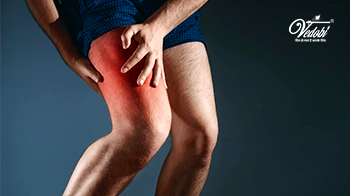
Thigh pain is generally a result of tissue inflammation caused by an injury or any existing medical condition that affects the bones, joints, muscles, tendons, and blood vessels.

It is characterized by weakness, numbness, throbbing, cramping, or a tingling sensation. It can also be a sign of diabetic neuropathy. Peripheral artery disease also causes pain while walking or exercising. Thigh pain can significantly impact an individual's daily life, physical activities, and overall well-being. It causes muscle strains, overuse injuries, traumatic incidents such as falls, strained hip flexors, nerve impingement, arthritis, and blood clots.

It can extend to the front, sides, and also the back of the thigh at times, and the cause of this pain can vary:

  • Outside the thigh—sciatica, or pain radiating from a trapped nerve in the third lumbar vertebrae of the lower back (L3), can cause pain to radiate to the outside of the thigh.
  • Back of the thigh- This pain can be caused by injuries or sprains to the hamstring.
  • Front of the thigh- L3 sciatica can also cause pain in the front of the thigh. A quadriceps strain or bruising can also create pain in this area.

What are the symptoms of thigh pain?

Thigh discomfort is usually described as soreness or pain in the thigh muscles.

Other symptoms include:

  • Itching
  • Tingling
  • Numbness
  • Burning sensation

What are the causes of thigh pain?

Pain in the thigh is frequently caused by a muscular injury.

The following are some of the most prevalent injuries in the thigh area:

1.Sprains and strains in the muscle

A sprain occurs when a ligament is damaged or stretched. Ligaments are connective tissues that hold bones together, and tendons connect the muscles to the bones.

The most common symptoms of sprains and strains are:

  • Falling suddenly during an intense workout or due to overstretched joints.
  • Radiation of the pain.
  • Swelling caused around the site of injury.
2.Injuries due to excessive usage

When a muscle in or around the thigh is under strain for a long period, or when an individual does not warm up before exercising, overuse injuries can arise. With time, the pain tends to worsen. Pain after exercise or vigorous physical activity is the most common symptom of an overuse injury. There are chances of both thighs being affected by this injury type.

3.Pain in the nerve

Nerves in the upper thigh can also cause pain. Nerve pain develops when the nerves are damaged.

4.Due to other injured body parts

Pain in the upper thighs might be caused by injuries in other parts of the body as well. A hip injury, for example, may also cause pain in the thighs.

The most concerning cause of thigh discomfort is Deep Vein Thrombosis (DVT), which can be potentially fatal if not treated on time. If you have any of the following symptoms, you should consult a doctor right away:

  • Breathlessness
  • Pain in your chest that may spread to your arm, jaw, neck, and shoulder
  • Erratic heartbeat
  • Lightheadedness
  • Blood on the tongue

What are the risk factors associated with thigh pain?

Even though thigh pain is usually not considered a serious concern, this condition can still cause discomfort and anxiety for people suffering from it.

Some of the common risk factors include:

  • Following a sedentary lifestyle
  • Lack of physical activity or, inversely, repetitive and excessive exercise
  • Injury in the legs and hips
  • Overweight or obesity

What are the treatments or remedies available for thigh pain?

1.Rest and Ice:

For minor muscle strains or overuse injuries, resting the affected area and applying ice packs can help reduce pain, swelling, and inflammation.

2.Physical Therapy:

A qualified physical therapist can design a customised exercise programme to strengthen weak muscles, increase flexibility, and promote healing.

3.Medications:

Over-the-counter pain relievers or nonsteroidal anti-inflammatory drugs (NSAIDs) can help manage mild to moderate thigh pain. Severe pain may require prescription medications.

4.Compression Therapy:

Wearing compression stockings or wraps can improve blood flow and alleviate pain associated with conditions such as DVT or varicose veins.

5.Injections:

Corticosteroid injections may be recommended to reduce inflammation and relieve certain conditions causing thigh pain.

6.Surgery:

In severe cases, surgery may be required to address underlying issues, such as fractures, torn ligaments, or advanced arthritis.

Preventive Measures for Thigh Pain

Here are some preventive measures

Warm-up and Stretching:

Before engaging in physical activities or exercises, it is essential to warm up the muscles and stretch properly to prevent strains or injuries.

Gradual Increase in Intensity:

Avoid sudden increases in intensity or duration of physical activities to avoid overuse injuries.

Maintain a Healthy Weight:

Excess body weight stresses the joints and muscles, increasing the risk of thigh pain.

Use Proper Technique:

Whether lifting heavy objects or performing athletic movements, using the correct form and technique can help prevent injuries.

When to See a Healthcare Provider

Many people with thigh pain are able to treat it on their own, while others need immediate medical attention. Signs and symptoms that warrant a visit to a healthcare provider include:

  • Severe pain that limits your ability to walk, navigate stairs, or function normally.
  • Thigh pain that is severe and accompanied by high fever, chills, and spreading redness.
  • Thigh pain with redness, swelling, and warmth of your skin
  • Any injury that causes your thigh to look deformed

Most cases of thigh pain can be diagnosed by a healthcare provider. Pain caused by nerve compression may require a neurologist to get an accurate diagnosis.

Read More
What is Klebsiella infection? And why are antibiotics ineffective against it?

Posted 26 February, 2025

What is Klebsiella infection? And why are antibiotics ineffective against it?

Klebsiella infection refers to a variety of health-related infections, all of which are caused by the Klebsiella bacteria. These can include pneumonia, blood infection, wound infection, surgical site infection, and meningitis. Healthy people usually do not get the Klebsiella infection, but people who are hospitalized and undergoing treatment for various problems are at risk of contracting this infection. People who take antibiotics for better health or are on ventilators or use devices such as intravenous catheters for long periods of time are more likely to get Klebsiella infection. Infections are often treated with antibiotics, although some Klebsiella bacteria can be resistant to antibiotics.


Symptoms and treatment of Klebsiella infection

Symptoms of a common Klebsiella infection are
  • High fever
  • Pain
  • Uneasiness
  • Cold
Symptoms of respiratory infection with Klebsiella-

Symptoms of respiratory infection with Klebsiella are usually pulmonary, with sputum and cough in addition to fever.


Symptoms of a urinary tract infection with Klebsiella include
  • Burning and pain during urination
  • Foul-smelling and cloudy urine
  • Frequent and urgent need to urinate
  • Sometimes nausea and vomiting.
Symptoms of Meningitis Caused by Klebsiella (very rare)
  • Headache
  • Fever
  • Altered state of consciousness
  • Distress convulsions
  • Septic shock

Treatment for Klebsiella Infection

Out-of-hospital Klebsiella pneumoniae infection can be treated with cephalosporins (e.g., ceftriaxone) or fluoroquinolones (e.g., levofloxacin).

Deeper infections with Klebsiella pneumoniae are treated with injectable antibiotics. They are usually treated with broad-spectrum cephalosporins and carbapenems (imipenem, meropenem, and ertapenem), or even fluoroquinolones or aminoglycosides. However, deciding which antibiotic to administer can be difficult due to the acquisition of resistance.

Klebsiella infection and antibiotic resistance

Strains of Klebsiella pneumoniae have developed multiple resistances to antibiotics. The World Health Organization (WHO) classifies this bacterium among the 12 "priority pathogens" resistant to antibiotics. For example, Klebsiella pneumoniae can produce an enzyme, carbapenemase, which inhibits the effects of almost all so-called broad-spectrum β-lactam antibiotics.

In some countries, K. antibiotics are no longer effective for half of the patients treated for pneumonia infections. Acquired resistance to antibiotics is also potentially related to other drug classes, such as aminoglycosides.

Home Remedies for Klebsiella Infection

Steam treatment

Steam inhalation helps relieve Klebsiella infection. This also improves the breathing capacity of the patient. Steam reduces coughs and also relieves chest tightness.

Asafoetida is beneficial.

Asafoetida is beneficial in Klebsiella infection. To protect yourself from this disease, put 2 ratti asafetida in a raisin and eat it for a few days. This will provide relief from the K. infection.

Mustard oil

Rubbing turmeric mixed with mustard oil on the patient's chest provides relief from Klebsiella infection.

Basil

Add freshly ground black pepper to the juice of basil leaves. Consume it every six hours. This will help the patient to get relief from the Klebsiella infection.

Other measures for treating Klebsiella are

  • Vegetable juices like carrot juice, spinach juice, beet juice, cucumber juice, and other vegetable juices are beneficial for your health during infection.
  • To cure a cough, gargle with half a teaspoon of salt in a glass of water. This will help reduce the mucus and irritation present in your throat.
  • Having a cup of coffee cures shortness of breath.
Read More
What is a migraine? Learn about its Symptoms and Treatment

Posted 24 February, 2025

What is a migraine? Learn about its Symptoms and Treatment

A migraine is a type of headache that is caused by a disorder of the nervous system in the brain. This pain is very painful. When a person has a migraine, nausea and sensitivity to light and sound increase in a person. The duration of its pain can range from a few hours to several days. Migraines are also considered to be genetic.

Migraines are complex problems related to neurology and are often painful headaches. It causes unbearable pain with tingling on one side of the head or sometimes on both sides. During a migraine, the arteries below the head become enlarged, and sometimes there is swelling in the painful area. This problem usually starts at puberty.

According to Ayurvedic doctors, a migraine is a pain caused by disturbances in the blood vessels of the brain or face. Apart from this, migraine can also be caused by changes in diet, increased stress, or sleeping more.


Types of migraine

There are two types of migraine: classic migraine and non-classic migraine. Both are described in detail below.

Classic Migraine

Classic migraine has many such symptoms that indicate that the patient is having a migraine attack, such as blurred vision before the onset of a headache. In some cases, symptoms of shoulder stiffness and burning are also seen. In the case of classic migraine, the blood vessels in the patient's body start constricting. In such a situation, it is best to contact the doctor immediately.

Nonclassic migraine

In a non-classic migraine, there is a severe headache from time to time, but other symptoms are not visible. During a non-classic migraine, the onset of headache as well as taking pain relievers provides relief to the patient.


Causes of Migraine

Hormonal changes—

Major hormonal changes that occur in the body of women can cause the onset of migraines. A lot of hormonal changes take place in the body for various reasons, like menstruation, pregnancy, and menopause. Fluctuating hormonal levels can also sometimes be the cause of headaches. According to a medical study, migraines affect women more than men due to hormonal changes.

Changing environment—

Changes in the environment are also considered to be one of the main causes of migraines. Sometimes the sensory arousal is aggravated by loud noises, unstable lighting, excessive smells, or noises that can cause migraines. Changes in temperature, such as strong sunlight, extreme heat, or extreme cold, can also cause migraines.

As a side effect of alcohol smoking-

A hangover after drinking alcohol or excessive smoking also causes migraines. Apart from this, sweet foods and extremely spicy foods can also trigger migraines.

Excessive consumption of caffeine-

People who use caffeine excessively complain of headaches if they suddenly stop taking it. That is, abruptly stopping excessive consumption of coffee can also be a cause of migraines.


Symptoms of Migraine

  • The main symptom of migraine is severe tingling on one side of the head, or sometimes on both sides.
  • People suffering from migraine headaches often experience an inability to perform routine activities, eye pain, nausea, and vomiting.
  • Migraine sufferers may be hypersensitive to changes in light, sound, and smell.
  • During a migraine, there is a terrible pain in the eyes, and there is also a burning sensation in the blinking of the eyelids.
  • Migraine headaches cause rapid mood changes. In such a situation, some patients suddenly feel very sad or become more excited for no reason.
  • Migraine pain gets worse with regular activities such as walking or climbing stairs.
  • Frequent urination can also be a symptom of migraine, but this symptom is not seen in everyone.


Home Remedies for Migraine

The following home remedies are usually used to get rid of the problem of initial migraine:

Ice pack

With the help of ice packs, it is beneficial to relax the swollen muscles due to migraine. For this home remedy, place a few pieces of ice in a clean towel and apply it to the back of the head, neck, and forehead for 10-15 minutes.

Massaging the head

Head massage is a very effective way to relieve stress. By doing this, the blood circulation in the body increases, which helps to reduce the pain of migraine. Massaging the back of the head of a person suffering from a migraine provides relief from pain.

Peppermint is beneficial.

Peppermint has anti-inflammatory properties. It also helps to stabilize and calm the mind. Drinking tea made from peppermint and mixing a few drops of peppermint oil with honey in water provides relief from migraines. Apart from this, massaging the head and forehead with peppermint oil also benefits the patient.

Ginger is helpful.

Ginger helps in relieving symptoms of migraine such as nausea or vomiting. Apart from this, the use of ginger also provides relief from swelling and pain caused by migraines. Boil the pieces of ginger in water and let them cool down. Drinking a few drops of honey and lemon in this water provides relief from migraines.

Basil oil is effective.

Basil oil relaxes the muscles. This reduces stress and gives relief from pain. For this reason, using basil oil provides great relief from migraine pain.


Measures to prevent migraine

  • Try to avoid changing temperatures. In the summer, use the air conditioner. Do not go out in the cold or hot weather.
  • Avoid direct sunlight and use goggles or an umbrella while going out in the summer.
  • Avoid eating too much chili or very oily, spicy food.
  • Do yoga or exercise regularly for 30 minutes.
  • Avoid the consumption of alcohol and smoking.
  • Make it a habit to walk barefoot on the grass every morning. Along with working stress, it also balances hormones, due to which the risk of migraine is reduced.


When to go to the doctor?

Migraines usually get better on their own within a few days, but if you experience any of the following serious symptoms, you should go to the doctor immediately.

  • Unbearable headache on one side of the head.
  • Headache with mental confusion and stiff neck.
  • Difficulty in normal activities such as climbing stairs and commuting.
  • Blindness of eyes due to strong sunlight or severe headache due to loud sounds, smell, etc.
Read More
AYURVEDIC WEIGHT LOSS TIPS

Posted 22 February, 2025

AYURVEDIC WEIGHT LOSS TIPS

The need for weight loss is one of the most important things for most people. But weight loss must come with a proper system of weight loss techniques so that nutrients are not lost from the body. Also, consistent and effective healthy weight loss requires the Ayurvedic system to promote health, balance, and longevity through simple guidelines. Ayurvedic weight loss is unbreakable, unchanging, completely dependable, and can be used easily. Ayurvedic tips for weight loss can make life naturally holistic and healthy without using any chemicals, processed food, or fad diets that do us more harm than good.

LEMON WATER

Lemon water is a completely natural ingredient for detox purposes and is very important to the body if taken regularly. Drinking a tall glass of lemon juice with warm water once every morning not only helps the digestive system but also helps keep the body in shape. Apart from purifying, this lemon, along with the warm water, has very acceptably increased the metabolism and helped break down fats easily. Its presence at that very early hour acts like a refreshing boost to your day.

REGULAR EXERCISE

To keep fit, it is necessary to exercise daily. Indeed, every one of us is entitled to being fit and energetic, which can only be achieved through sweating, said Ayurveda. In general, as said by the ayurvedic practitioners, it is required to have around forty to sixty minutes of exercising or practicing yoga on a daily basis, which boosts the metabolism in the body even further. An exercise or yoga schedule nourished with a wholesome Ayurvedic diet is rewarding not only for the body but also for the mind and soul.

MEDITATION

In ancient times, saints used to meditate as a kind of exercise to keep themselves fit physically and mentally. Now, in a rapidly escalating world, stress and depression work together to make the majority of them consume more than they should without realising their adverse effects until it is already too late and they've put on excess weight. This implies that at least ten minutes of light yoga or meditation or mind-body relaxation techniques that keep the person happy and calm is very necessary. Therefore, it will help to take away stress from the body, which ultimately aids in weight loss in a natural manner. Of all the Ayurvedic ways to reduce weight, this probably ranks as one of the most critical, as well as getting us into a more alert and attentive frame of mind, thus aiding in making better decisions throughout the day.

PROPER EATING

If you are eager to learn about losing weight the Ayurveda way, realise that it always requires eating properly and regularly. Keep having three meals a day of seasonal fruits and vegetables without unhealthy snacking. Food has been a fast-burning fuel for the body, to be done in time for digestion. A heavy breakfast should always be done from 8 am to 9:30 am, a mid-sized lunch just around noon with lots of vegetables, grains, and meat, and a very light dinner before 7:30 pm consisting of soups and salads for the best digestion process because the digestion power is lower in the night.

Once you have totally learnt to eliminate unhealthy snacking, then it becomes easier to focus on healthy weight loss. And if you really want to have snacks, it is always best to eat them in the form of fruits or dry fruits instead of fried chips or namkeen. Digestive intent is about the most tough and proficient when it can completely digest one meal and ask the next for its consideration of digestion. So, it's better to have a gap of at least four hours between meals.

EAT SEASONAL

Eat according to the seasons and place one belongs to, and that is the best way of losing weight in Ayurveda. For instance, fresh fruits and vegetables eat a high-carbohydrate diet, keeping us breezy and energised during the hot, sultry summer months. For it is the season for consuming root vegetables, grains, nuts, meats, and cheese during winter as a way of shielding us from the cold. Green leafy vegetables and sprouts detoxify us during the rainy and monsoon seasons. Eating according to the seasons and the region helps fast digestion and good absorption of nutrients by the body. More on Ritucharya—Seasonal Regimen.

TAKE A WALK AFTER MEALS

It's true that meals cause drowsiness, but, after eating, short walks are important for facilitating healthy weight loss and improving digestion.

EAT KAPHA PACIFYING DIET

Kapha dosha causes a slow metabolism and could lead to fat deposition and general lethargy. It is primarily responsible for the decrease in water retention and can cause any illness associated with water retention. The kapha-inclusive diet is capable of clearing out the body of many toxins as well as speeding up metabolism. Freshly prepared diets must be selected according to the season in preference to those that are processed, cold, or old. Important to understand is that the Ayurvedic method of losing weight does not entail blacklisting favourite food, but the key lies in an understanding that each of them should be consumed in moderation to achieve the balance. The process takes a long time, and one must be very patient and hard-working with it.

Read More