
Coronary artery disease- Symptoms, Causes, Treatment & Prevention
16 August, 2025
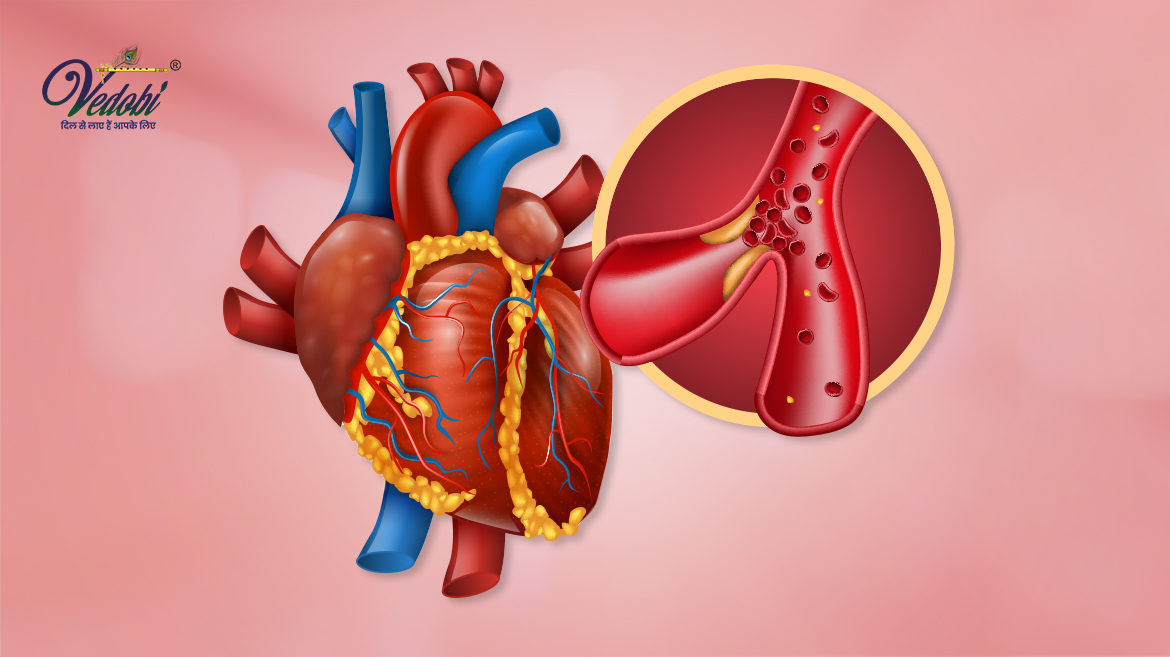
Coronary artery disease(CAD) is a common type of heart disease. It affects the main blood vessels that supply blood to the heart, called the coronary arteries. In CAD, there is reduced blood flow to the heart muscle. A buildup of fats, cholesterol and other substances in and on the artery walls, a condition called atherosclerosis, usually causes coronary artery disease. The buildup, called plaque, makes the arteries narrow.
Symptoms
Symptoms of coronary artery disease happen when the heart doesn't get enough oxygen-rich blood. Coronary artery disease symptoms may include:
- Chest pain that may feel like pressure, tightness, squeezing or aching.
- Pain or discomfort that spreads to the shoulder, arm, back, neck, jaw, teeth or sometimes the upper belly.
- Cold sweats.
- Fatigue.
- Heartburn.
- Nausea.
- Shortness of breath.
- Lightheadedness or sudden dizziness.
Chest pain is usually the most common symptom of heart attack. But for some people, such as women, the elderly and those with diabetes, symptoms may seem unrelated to a heart attack. For example, they may have nausea or a very brief pain in the neck or back. Some people having a heart attack don't notice symptoms.
Causes
Coronary artery disease is caused by the buildup of fats, cholesterol and other substances in and on the walls of the heart arteries. This condition is called atherosclerosis. The buildup is called plaque. Plaque can cause the arteries to narrow, blocking blood flow. This plaque can also burst, causing a blood clot.
Some causes of atherosclerosis and coronary artery disease are:
- Diabetes or insulin resistance.
- High blood pressure.
- Lack of exercise.
- Smoking or tobacco use.
Risk Factors
Coronary artery disease is common.The Coronary artery disease risk factors you can’t control include:
Getting older increases the risk of damaged and narrowed arteries.
Men are generally at greater risk of coronary artery disease. However, the risk for women increases after menopause.
A family history of heart disease makes you more likely to get coronary artery disease. This is especially true if a parent, brother, sister or child got heart disease at an early age. The risk is highest if your father or a brother had heart disease before age 55 or if your mother or a sister developed it before age 65.
- Age
- Birth sex
- Family history
Treatment
Treatment for coronary artery disease may include:
- Medicines.
- Heart procedure or heart surgery.
- Lifestyle changes such as not smoking, eating healthy and exercising more.
Medications
Many medicines are available to treat coronary artery disease, including:
- Cholesterol medicine:
Your healthcare professional might recommend this type of medicine to lower "bad" LDL cholesterol and reduce plaque buildup in the arteries. Such medicines include statins, niacin, fibrates and bile acid sequestrants.
- Aspirin:
Aspirin helps thin the blood and prevent blood clots. Daily low-dose aspirin therapy may be recommended for the primary prevention of heart attack or stroke in some people. Daily use of aspirin can have serious side effects, including bleeding in the stomach and intestines. Don't start taking a daily aspirin without talking to your healthcare team.
- Beta blockers:
These medicines slow the heartbeat and lower blood pressure. If you've had a heart attack, beta blockers may reduce the risk of future heart attacks.
- Calcium channel blockers:
One of these medicines may be suggested if you can't take beta blockers or beta blockers don't work for you. Calcium channel blockers can help reduce chest pain.
- Angiotensin-converting enzyme (ACE) inhibitors and angiotensin 2 receptor blockers (ARBs):
These medicines lower blood pressure. They may help keep coronary artery disease from getting worse.
Surgeries or other procedures
Surgery may be done to fix a blocked artery and improve blood flow. Surgeries or procedures for coronary artery disease may include:
- Coronary angioplasty and stent placement:
This treatment opens clogged blood vessels in the heart. A tiny balloon on a thin tube, called a catheter, is used to widen a clogged artery and improve blood flow. A small wire mesh tube called a stent may be placed to keep the artery open. Most stents are coated with medicine that helps keep the artery open. This treatment is also called percutaneous coronary intervention.
- Coronary artery bypass graft (CABG) surgery:
This is a type of open-heart surgery. During CABG, a surgeon takes a vein or artery from somewhere else in the body. The surgeon uses the blood vessel to create a new path for blood to go around a blocked or narrowed heart artery. The surgery increases blood flow to the heart.
Lifestyle and home remedies
Making certain lifestyle changes can help keep the arteries healthy and can prevent or slow coronary artery disease. Try these heart-healthy tips:
- Don't smoke or use tobacco:
Smoking is a major risk factor for coronary artery disease. Nicotine tightens blood vessels and forces the heart to work harder. Not smoking is one of the best ways to lower the risk of a heart attack. If you need help quitting, talk to your healthcare team.
- Eat heart-healthy foods:
Choose plenty of fruits, vegetables and whole grains. Limit sugar, salt and saturated fats. Eating one or two servings of fish a week also may help keep the heart healthy.
- Get regular exercise:
Exercise helps manage weight and control diabetes, cholesterol and blood pressure — all risk factors for coronary artery disease. Try to get 30 to 60 minutes of physical activity most days of the week. Ask your healthcare team what amount and type of exercise is best for you.
- Keep a healthy weight:
Being overweight increases the risk of coronary artery disease. Losing even a small amount of weight can help reduce risk factors for coronary artery disease. Ask your healthcare team what the best weight is for you.
- Control blood pressure:
Adults should get their blood pressure checked by a healthcare professional at least every two years. You may need to have checks more often if you have a history of high blood pressure. Ask your health professional what blood pressure goal is best for you.
- Get your cholesterol checked:
Ask your healthcare team how often you need a cholesterol test. Lifestyle changes and medicines may be recommended to control cholesterol.
- Check your blood sugar:
If you have diabetes, carefully managing your blood sugar can help reduce the risk of coronary artery disease.
- Avoid or limit alcohol:
If you choose to drink alcohol, do so in moderation. For healthy adults, that means up to one drink a day for women and up to two drinks a day for men.
- Get good sleep:
Poor sleep may increase the risk of heart disease and other chronic conditions. Adults should aim to get 7 to 9 hours of sleep daily.
- Manage stress:
Find ways to help reduce emotional stress. Getting more exercise, practicing mindfulness and connecting with others in support groups are some ways to reduce stress.
Regular health checkups also are important. Some of the main risk factors for coronary artery disease — high cholesterol, high blood pressure and diabetes — have no symptoms in the early stages. Early detection and treatment can help you keep your heart healthy. Also ask about recommended vaccines, such as a yearly flu vaccine.
Prevention
The lifestyle habits used to treat coronary artery disease also can help prevent it. A healthy lifestyle can help keep the arteries strong and clear of blockages. To improve heart health, follow these tips:
- Do not smoke or use tobacco.
- Limit or do not drink alcohol.
- Control blood pressure, cholesterol and diabetes.
- Exercise and stay active.
- Maintain a healthy weight.
- Eat a low-fat, low-salt diet that's rich in fruits, vegetables and whole grains.
- Reduce and manage stress.
- Get 7 to 9 hours of sleep daily.