
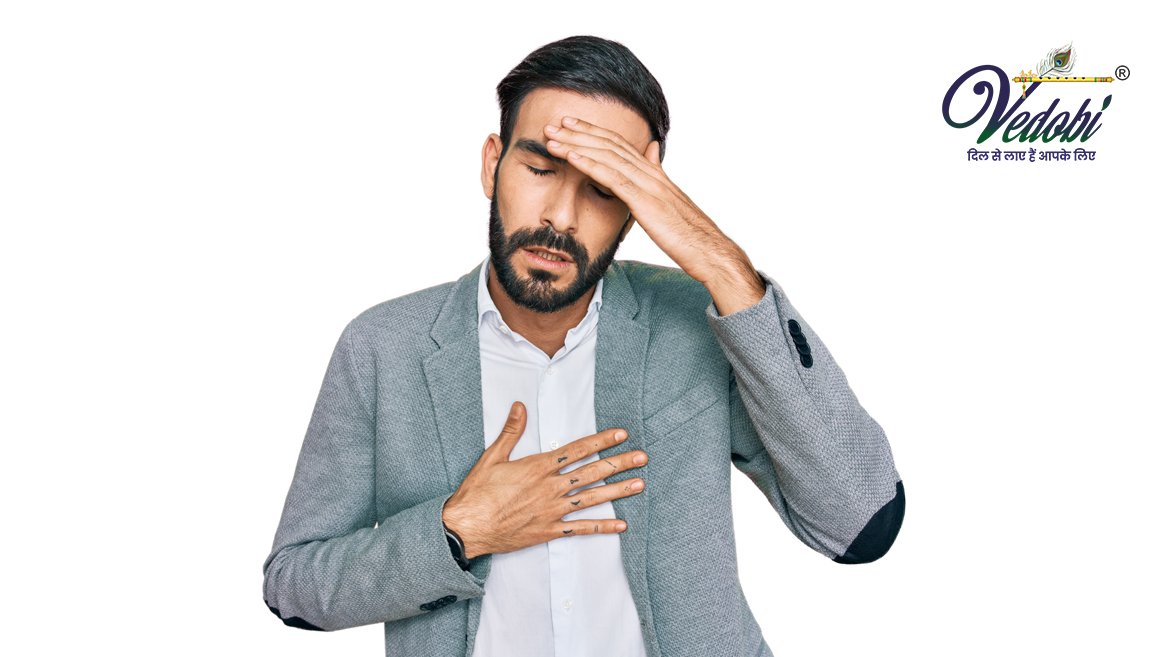
Shortness of Breath or Dyspnea: Symptoms, Causes, and Home Remedies
26 December, 2025
Shortness of breath, or dyspnea, is an uncomfortable condition that causes people to have difficulty breathing. Heart and lung disease can prevent air from reaching the lungs completely, which causes breathing problems. Problems with dyspnea vary from person to person, and the duration of the condition can last for about a few hours to several days and sometimes up to several weeks. This is usually a warning sign of a serious medical condition.
Types of Dyspnea (Shortness of Breath)
Sudden shortness of breath (acute dyspnea)-This usually occurs for a few minutes or hours. It may be accompanied by other symptoms such as rash, cough, or fever.
Long-term dyspnea (chronic dyspnea)-This can make a person feel out of breath even when doing simple things like walking or standing.
Signs and Symptoms of Shortness of Breath
A person with shortness of breath may experience the following signs and symptoms:
- Gasping for air
- Chest tightness
- Unable to get oxygen supply
- Hungry for air
- Suffocation
- Wheezing
- Fever
- Chills
- Headache
- Fatigue
- Muscle and lung pain
- Bloating
- Stomach swelling
- Swollen limbs (legs)
If you experience these symptoms, it is recommended that you contact your doctor immediately.
What causes shortness of breath?
Causes of acute dyspnea (sudden shortness of breath) include:
- Asthma
- Heart attack
- Airway obstruction (blockage in the breathing passage)
- Severe allergic reaction (anaphylaxis)
- Pneumonia
- COPD (Chronic Obstructive Pulmonary Disease)
- Sudden loss of blood
- Heart arrhythmias
- Collapsed lung (Pneumothorax)
- Blood clot in the pulmonary artery (pulmonary embolism)
- Carbon monoxide poisoning
The following conditions can cause chronic dyspnea (long-lasting shortness of breath):
- Asthma
- Heart dysfunction
- COPD (Chronic Obstructive Pulmonary Disease)
- Interstitial lung disease
- Accumulation of fluid around the lungs (pleural effusion)
- Obesity
- Deconditioning
- Sarcoidosis (buildup of inflammatory cells in the body)
- Heart disease
- Cardiomyopathy (swelling of the heart muscle)
- Pulmonary hypertension (high blood pressure in the lungs)
- Pulmonary fibrosis (scarring of the lungs)
Other medical conditions can also affect normal breathing. These include anxiety disorders, tuberculosis, lung cancer, myasthenia gravis (a condition that causes muscle weakness), croup (usually in young children), pericarditis (inflammation of the tissue around the heart), epiglottitis, and kyphoscoliosis (chest wall deformity).
How is shortness of breath diagnosed?
Your doctor will ask you to share your symptoms and medical history. He or she may perform spirometry, a lung function test that helps measure the amount of air your lungs can blow in and out. It also tracks the speed at which your lungs perform this task. This test is usually done to diagnose COPD and asthma.
Some tests include
Pulse oximetry—This test helps determine the amount of oxygen in the blood.
Blood test—This test can help determine if you have medical conditions such as anemia and infection. It may also check for blood clots or fluid around the lungs.
CT scan or chest X-ray-This is an imaging test done to determine if you have pneumonia, pulmonary embolism (blood clot in the lungs), or any other lung condition.
Electrocardiogram (ECG)—A test done to check if a person is experiencing shortness of breath due to a heart attack by measuring the electrical signals from the heart.
Prevention for Shortness of Breath
The following measures are taken to reduce the chances of shortness of breath:
Quit Smoking-Smoking is known to damage the lungs. It is also a risk factor for COPD and lung cancer. People with COPD can slow the progression of this chronic condition and prevent complications from getting worse.
Avoid exposure to pollutants—avoid inhaling allergens such as pollens and environmental pollutants.
Avoid extreme temperature—Exposure to extreme temperatures (such as very hot or very cold) can increase the risk of shortness of breath in people with chronic lung diseases.
Exercise regularly—Regular exercise has a positive effect on lung functioning. People who are overweight and have an increased risk of developing chronic lung disease are advised to exercise regularly.
Avoid high altitudes—avoid physical activity and give yourself time to adjust when traveling to high-altitude locations.
Take medications—People with chronic lung and heart diseases should not skip medications, as it can increase the risk of shortness of breath.
Check your equipment regularly-If you are on supplemental oxygen, check your breathing equipment regularly and make sure you have enough oxygen.
Treatment for Shortness of Breath
- For people with shortness of breath due to asthma and COPD (Chronic Obstructive Pulmonary Disease), treatment involves taking medications like atrovent, albuterol, spiriva, and serevent. Bronchodilators are effective for shortness of breath.
- For people who have shortness of breath due to low levels of hemoglobin in the blood (anemia), your doctor may prescribe dietary supplements to increase iron levels.
- When shortness of breath is caused by a bacterial infection, antibiotics are prescribed to relieve it.
- Doctors may ask people with chronic lung conditions, such as COPD, to do breathing exercises, such as apron breathing and exercises to strengthen the respiratory muscles.
If a serious medical condition is causing shortness of breath, your doctor can recommend appropriate treatment.
Home Remedies for Shortness of Breath
Coffee:
Coffee contains caffeine, which can reduce muscle tightness in the airways. This remedy has proven to be very effective in asthma. Black coffee can improve lung function and help you overcome the problem of shortness of breath.
Ginger:
Drinking fresh ginger tea will help you calm down. It can help reduce shortness of breath caused by respiratory infection. It has anti-inflammatory properties that can reduce inflammation in the lungs.
Pursed lips breathing:
This simple breathing technique can help you deal with shortness of breath. This can slow down your breathing rate, making each breath deeper, and provide you comfort. Here's how you can do it.
- Step 1: Sit comfortably on the floor or a chair with your back straight.
- Step 2: Inhale slowly through your nose for 4 to 5 seconds. Fill your abdomen with air.
- Step 3: Press your lips together and exhale for 4 to 6 seconds.
- Step 4: Repeat the same thing 10 to 20 times to get back to normal.
Steam:
If you have difficulty breathing during a cold, it may be due to a buildup of mucus in your lungs. Inhale the steam to loosen mucus and clear your airways.
Sit close to a fan:
Cool air can help relieve the problem of shortness of breath. If you feel unwell and have difficulty breathing, sit close to a fan. Feeling the power of the air as you breathe will help you calm down.
When to visit a doctor?
You should make an appointment with your doctor if your symptoms are accompanied by-
- Swelling of the feet or ankles.
- Difficulty breathing when lying down.
- Fever, chills, and cough.
- Wheezing.
- Exacerbation of pre-existing difficulties.