
Pulmonary Hypertension: Its Symptoms, Causes, Diagnosis and Treatment
15 December, 2025
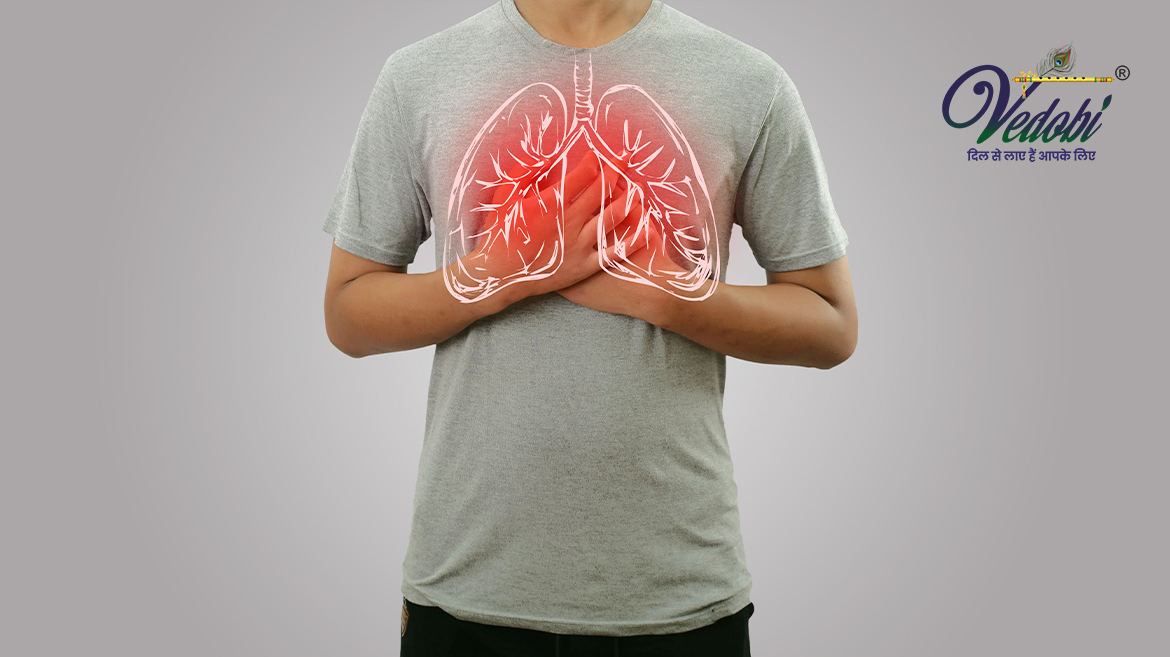
Pulmonary hypertension refers to a rare condition that causes high blood pressure in the lungs. This condition occurs when the pulmonary arteries become narrowed, blocked, or destroyed. The damage slows blood flow through the lungs. As a result, the heart must work harder to pump blood through the lungs. This will cause the heart to become enlarged and weakened, leading to heart failure.
Symptoms
The symptoms of pulmonary hypertension can vary based on the severity; sometimes they go unnoticed for months or even years. As this condition develops, following symptoms may occur:
- Difficulty breathing during physical activity.
- Chest pain or discomfort
- Dizziness
- Swelling in ankles (edema)
- Fatigue
- Uneven heartbeat
Causes
Pulmonary hypertension can have various causes, including:
1.Pulmonary Arterial Hypertension(PAH)
- Idiopathic PAH: Unknown cause, though it involves genetic factors in the blood vessels.
- Heritable PAH: Changes in a gene down through families.
- Associated PAH: Use of some medicines or drugs or getting infected from HIV infection, Liver disease, or congenital heart defects can lead to pulmonary arterial hypertension.
It is the most common form of pulmonary arterial hypertension; it causes left heart failure, mitral valve disease, or aortic valve disease.
3.Chronic Lung Disease (CLD):
It causes scarring of the lungs, sleep apnea, or interstitial lung disease and also affects those who have long-term exposure to higher altitudes.
4.Blood Clots: Chronic thromboembolic pulmonary hypertension
is caused by chronic blood clots or blockages in the pulmonary artery, leading to elevated blood pressure.
Apart from the above, Pulmonary hypertension is caused by other health conditions like sarcoidosis and metabolic disorders, including glycogen storage disease.
Diagnosis of Pulmonary Hypertension
As it can be challenging to diagnose early, its symptoms overlap with other conditions. Moreover, its symptoms are similar to those of other heart and lung conditions.
Some common diagnostic tests include:
1.Echocardiogram:Sound waves are used to assess heart function in this test. An echocardiogram shows the pressure in the pulmonary arteries.
2.Chest X-ray:It is a technique used to examine the structure of the heart and lungs. It is used to look for signs of enlargement or damage.
3.Blood test:It can help identify the causes of pulmonary hypertension, such as autoimmune diseases or blood clotting disorders.
4.Right heart catheterization:This is used after an echocardiogram shows signs of pulmonary hypertension. This procedure involves inserting a thin flexible tube called a catheter into a blood vessel to measure blood pressure in the main pulmonary arteries and the right ventricle.
Treatment and Management
While there is no cure for pulmonary hypertension, treatment is available to manage the symptoms and keep the disease from getting worse.
1.Medications
There are several medications that can treat symptoms and help you feel better:
- Vasodilators: These drugs help open narrowed blood vessels and reduce pressure in the lungs.
- Endothelin receptor antagonists (ERAs): These medicines block the effects of endothelin, a protein that constricts blood vessels.
- Phosphodiesterase type 5 inhibitors (PDE5 inhibitors): This inhibitor is used to increase blood flow through the lungs. It is also used to treat erectile dysfunction.
- Oxygen therapy: This treatment is suggested for those who live at higher altitudes; if their blood oxygen levels are low, they may be prescribed supplemental oxygen to ensure that the organs receive enough oxygen.
2.Surgery interventions
In severe cases, surgery may be necessary to help control the symptoms of pulmonary hypertension. Surgeries to treat pulmonary hypertension include:
- Atrial septostomy: It is a procedure aimed at improving severe symptoms of pulmonary hypertension by creating a hole between the upper left and right chambers of the heart. This treatment is mainly used when other treatments have failed.
- Lung Transplantation: This surgery is considered for patients with severe pulmonary hypertension. This treatment may be needed, especially for young people, to treat idiopathic pulmonary arterial hypertension.
3.Lifestyles and home remedies
Lifestyle changes play an important role in improving quality of life by incorporating these practices into daily routines.
- Eat healthy: A proper diet plays a significant role in managing pulmonary hypertension. Eating a healthy, rich diet of whole grains, fruits, and vegetables can support overall health, improve heart function, and reduce complications.
- Avoid high altitudes: It can make it harder to breathe and worsen symptoms because pulmonary hypertension directly affects the lungs and blood flow.
- Weight management: Losing weight is beneficial in pulmonary hypertension, and a combination of a healthy diet and regular physical activity can alleviate some of the strain on the heart and lungs.