
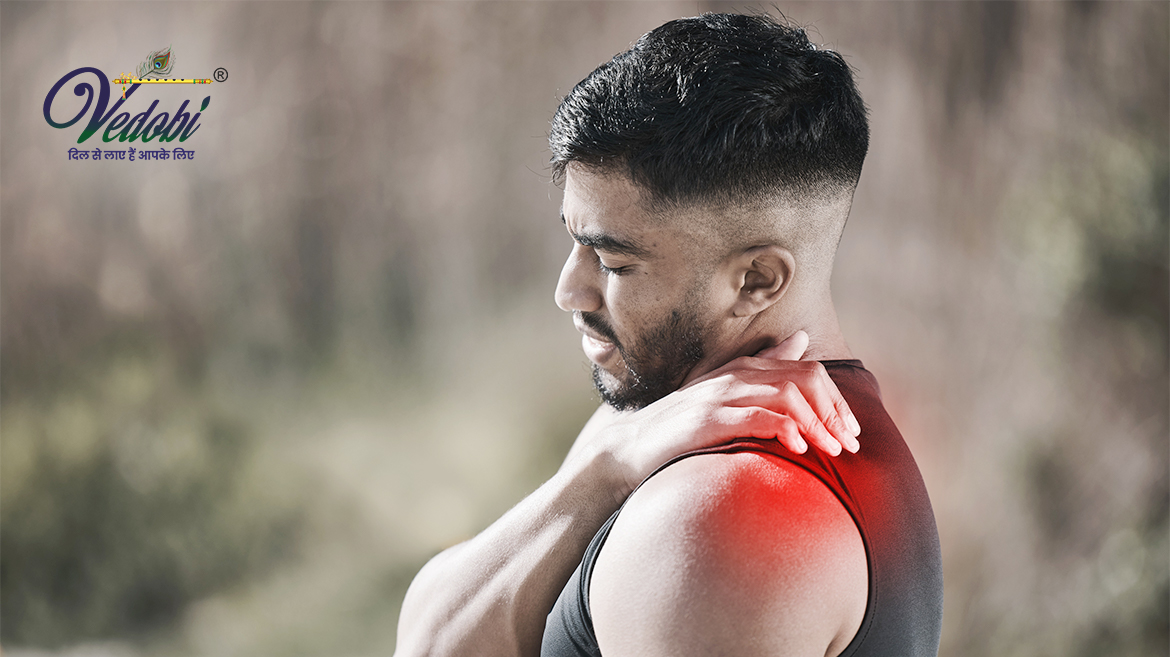
Muscle Ache: Symptoms, Causes and Treatment
10 September, 2025
Muscle aches, also known as myalgia, are sensations of soreness or stiffness, often accompanied by tightness felt around the area of the body that has muscles.
These aches can result from a range of factors, including a tough workout, a long day at work, or just getting older. It can be temporary or chronic, as well as localized or widespread throughout the body.
Symptoms of Muscle Ache
Muscle aches strike in several ways; symptoms may vary in intensity and duration:
- Stiffness and weakness in the affected area.
- pain or tenderness.
- high blood pressure.
- Signs of infection, such as redness and swelling.
Causes
Here are some common causes:
1.Exercise and physical activity:
The most common cause of muscle aches is overdoing physical activity. When you engage in exercise or strenuous activity that leads to stiff or sore muscles. As your muscle fibers repair, rebuild typically within 12 to 48 hours after the activity. This phenomenon is known as delayed-onset muscle soreness (DOMS).
2.Stress and tension:
Stress can lead to physical tension in the muscles, particularly in the neck, shoulders, and back. Anxiety and tension can also lead to clenching or tightening of muscles unconsciously.
3.Infections and illnesses:
Some infections and illnesses can cause muscle aches, often accompanied by fever and fatigue. The flu, common cold, and viral infections are known to cause muscle soreness as the body’s immune response causes inflammation in the muscles.
4.Nutritional deficit:
Vitamin D is particularly important in ensuring the muscles function correctly. It also helps with calcium absorption, and a deficiency can lead to hypocalcemia.
5.A lack of quality sleep:
can also make people feel sluggish and slow. It can affect people’s ability to think clearly and make it harder for them to carry out everyday tasks.
6.Dehydration:
Water is vital to keep the body functioning properly. Dehydration can lead to muscle cramps, spasms, and aches.
Treatment for muscle aches
Rest and Recovery:
The first step in treating muscle aches is allowing the muscle to heal. Moreover, give your muscles a rest and try to limit activities that may exacerbate the pain.
Cold therapy:
Applying ice to recent injuries can reduce inflammation and swelling.
Heat Therapy:
This therapy is beneficial for older injuries because it helps relax your muscles and encourages blood flow.
Massage:
A gentle massage can relieve tension and improve circulation, which can speed up the recovery process.
Over-the-counter pain Relief:
It can be used to treat minor pains and reduce inflammation.
How to Prevent Muscle Aches
1.Warm-up:
Before engaging in physical activity, make sure you warm up with light cardio and perform stretching exercises to increase flexibility, improve circulation, and reduce the risk of muscle strains and soreness.
2.Hydration and Nutrition:
Staying hydrated and eating a balanced diet rich in vitamins and minerals, particularly those that support muscle function like magnesium and potassium, can help prevent muscle cramps and soreness.
When to consult a doctor
Most of the time, muscle aches are nothing to worry about and can be treated at home. But there are certain situations:
- .Muscle pain is severe
- .Swelling around the affected area
- .Sudden, sharp muscle pain after an injury.
- .Chest pain or abnormal heartbeat.
Muscle aches can be managed at home with natural remedies. Most muscle soreness is temporary and can be treated with rest, hydration, massages, and stretching. Furthermore, understanding the causes can significantly lower the risk of muscle aches and maintain a healthier, more active lifestyle.